 Hyderabad, India
Lenni George
She / Her
Trauma · Queer Identity · Gender & Sexuality · Relationships
More about Lenni →
Queer-affirmative, trauma-informed, culturally rooted care for Indians, at home and across the diaspora. We help you recognise what you are feeling, and sit with it safely.
Write the letter you never sent. You decide if anyone ever reads it. There is no account and no name, and on 10 September we will show what people chose to leave here.
India doesn't have a mental-health awareness problem. It has a recognition problem.
We are here with language for the exact 2am moment you finally try to describe the feeling. No pressure. Just the words, and a real person when you are ready.
Our practitioners, therapists and psychiatrists alike, are trained clinicians who bring both clinical expertise and a deep understanding of the Indian experience, whether you're in India or living abroad.
Hyderabad, IndiaTrauma · Queer Identity · Gender & Sexuality · Relationships
More about Lenni → Bangalore, India
 Dubai, UAE
Burnout does not follow one fixed path. These are some shapes it can take, and you might recognise one, several, or a different one entirely.

Buried by what has piled up

The day that will not cooperate

When the work hides the person

Running past the point of rest

Putting it down, on purpose
We help you translate a vague, culturally-silenced feeling into a name you can actually do something about. Here is what that sounds like.
Your anger might not only be anger.
Sometimes it is grief that never got a name, or boundaries crossed so often you stopped noticing.
You're probably not lazy.
Sometimes what looks like laziness is exhaustion in a language no one taught you. Burnout can flatten drive before it flattens anything else.
Your numbness might not be peace.
Sometimes it is the volume turned down on everything, a way to keep you safe. That is worth being curious about.
Your people-pleasing might not be kindness.
Sometimes it is a survival skill you learned early, and one you are allowed to retire.
Being "mature for your age" can hide something heavier.
Sometimes it meant doing a job a child should never have been handed. It has a name: parentification.
Your overthinking might not be a flaw.
Sometimes it is a nervous system that learned to stay alert. We can help it feel safe enough to rest.
Most people do not arrive with a clinical word, and you do not need one. Start with what is true, in your own language. We will meet you there.
"I feel nothing, just flat."
Numbness, the 2am self, feeling far away from your own life.
Where this often goes →"I'm the one who handles everything."
The responsible one, the eldest daughter, the good child.
Where this often goes →"I'm out with friends, but I perform at home."
The second job of being queer in an Indian family.
Where this often goes →"My therapist doesn't get my family."
The diaspora double life, cultural-translation fatigue.
Where this often goes →"I'm so tired, and I feel worthless when I rest."
Burnout, the worth wound, productivity guilt.
Where this often goes →"I can't sleep on Sunday nights."
Anticipatory anxiety, the body keeping score.
Where this often goes →Not sure who would be the right fit? That's completely okay. Meet our practitioners, or let Need help choosing? guide you.
No other practice starts here. Your background, your queerness, your family system and your complexity are central to how we work, not footnotes to it.
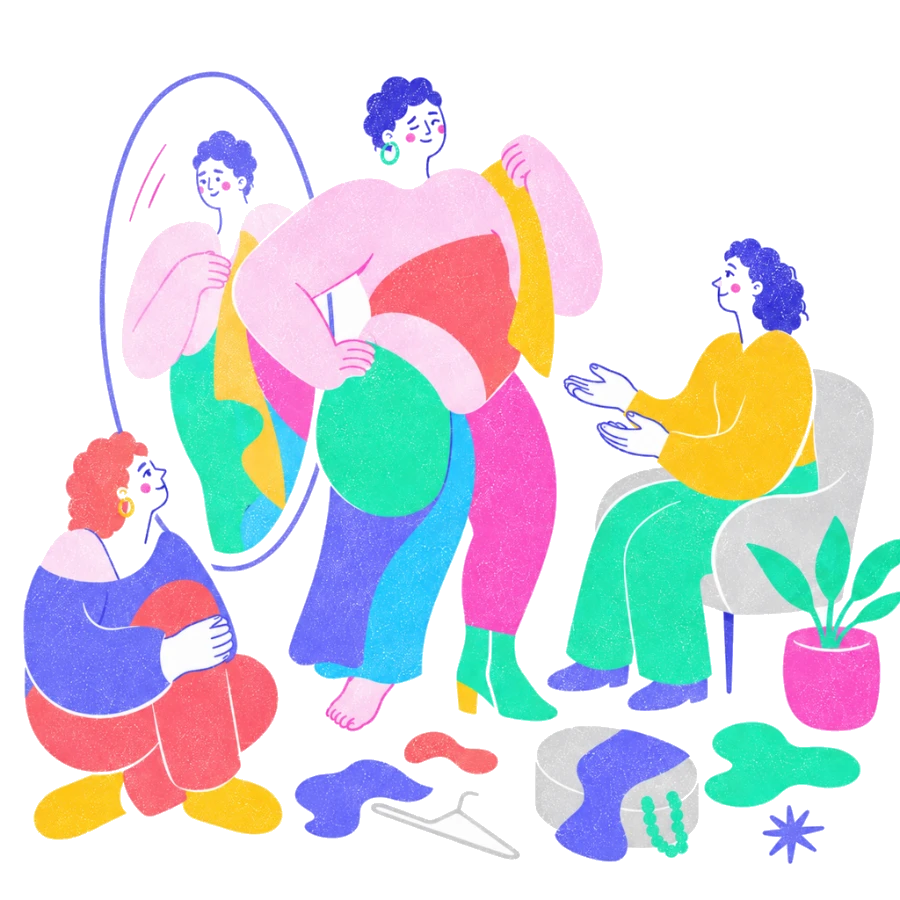
Affirmative care as the floor we build on, told year round, never a Pride-month post.
Queer-affirmative therapy →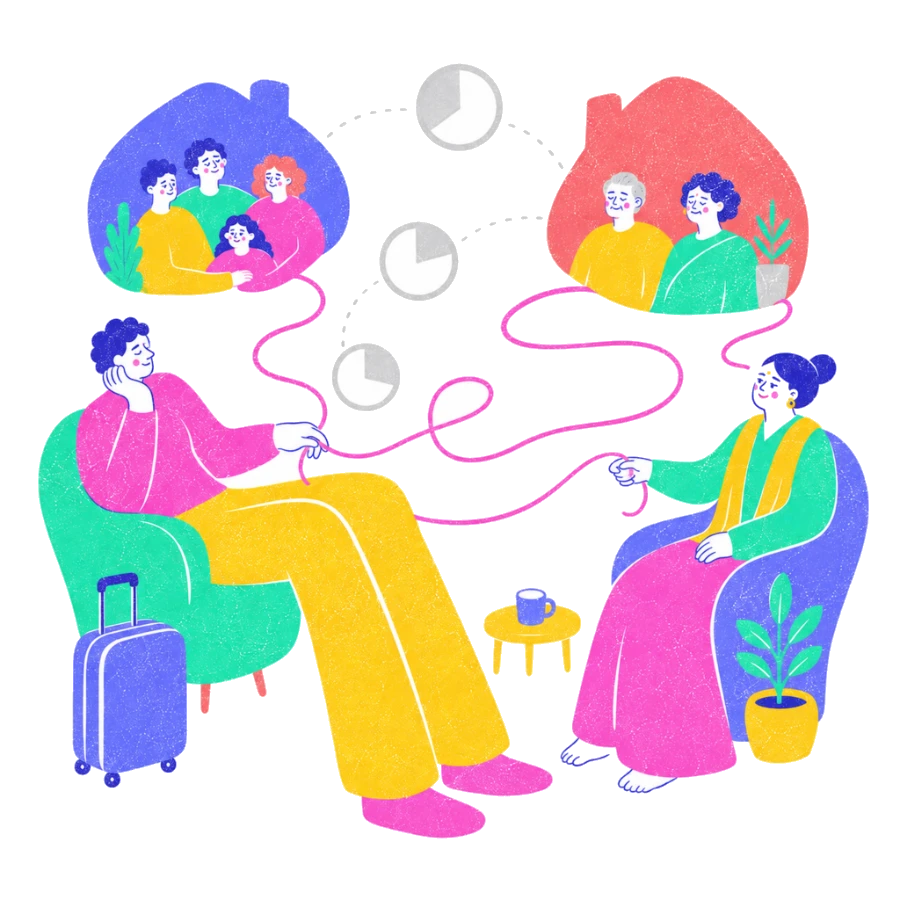
An Indian therapist who already understands your family. No cultural backstory required.
Therapy for NRIs →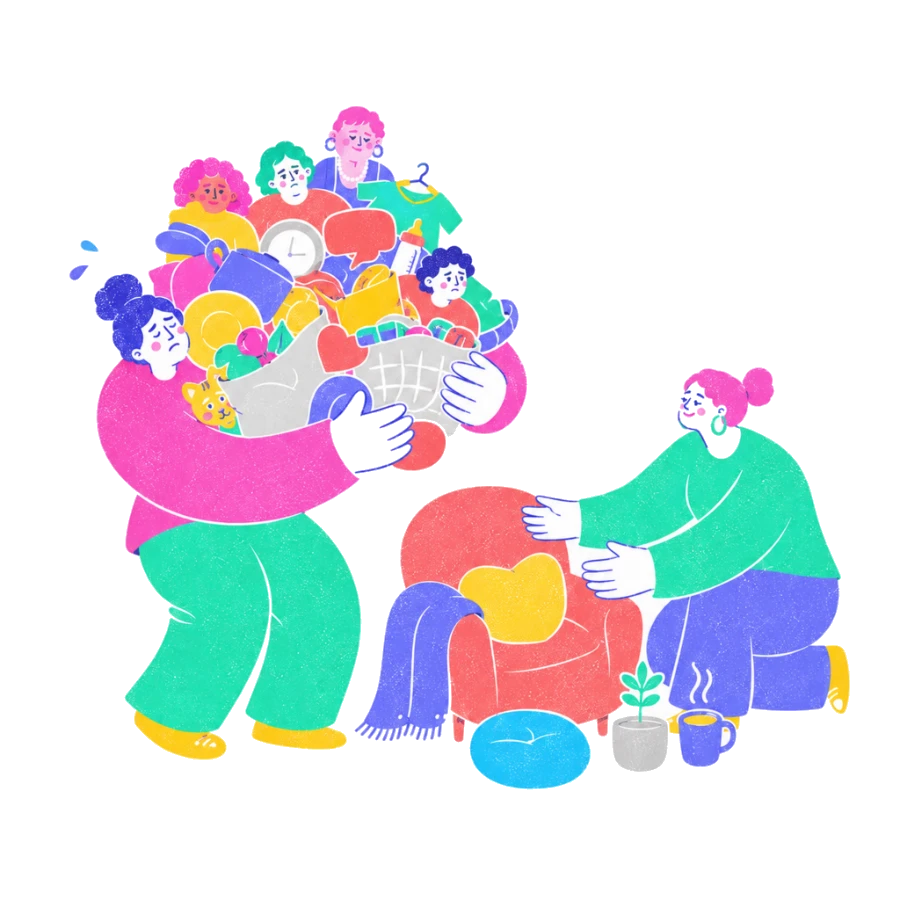
For the one who learned to carry everyone, whether or not they were the eldest. You can put it down.
Trauma-informed therapy →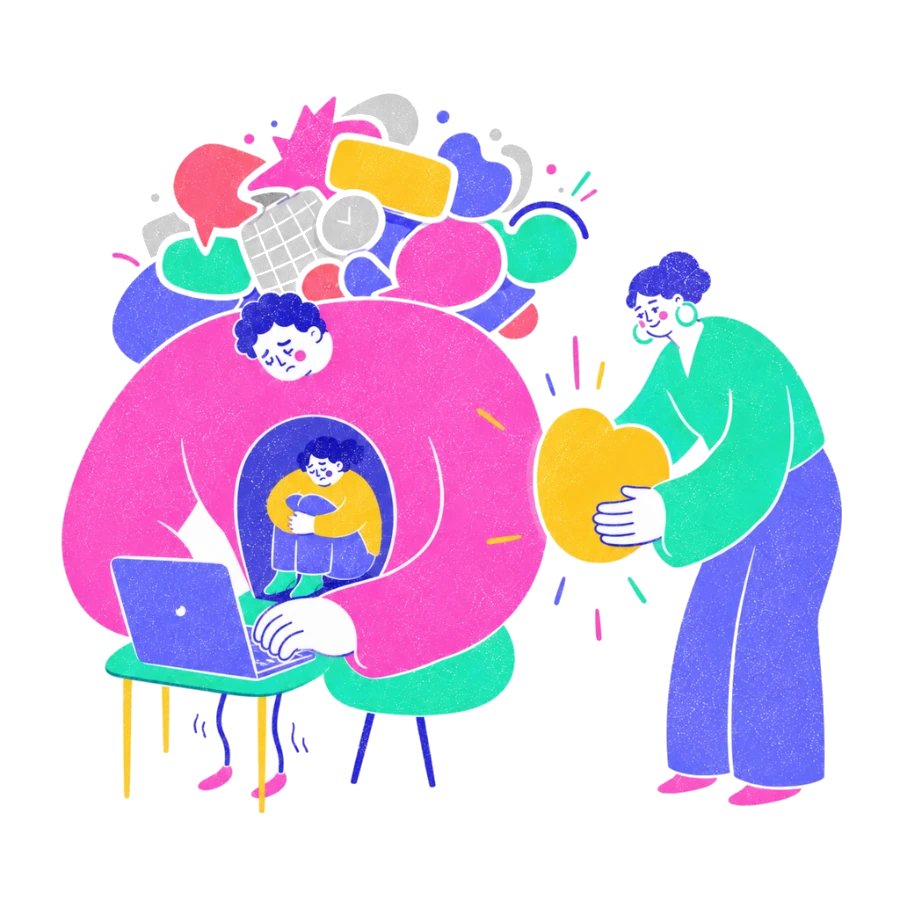
When "I'm fine" is the most overworked phrase you own, and rest feels like a debt.
Burnout & the worth wound →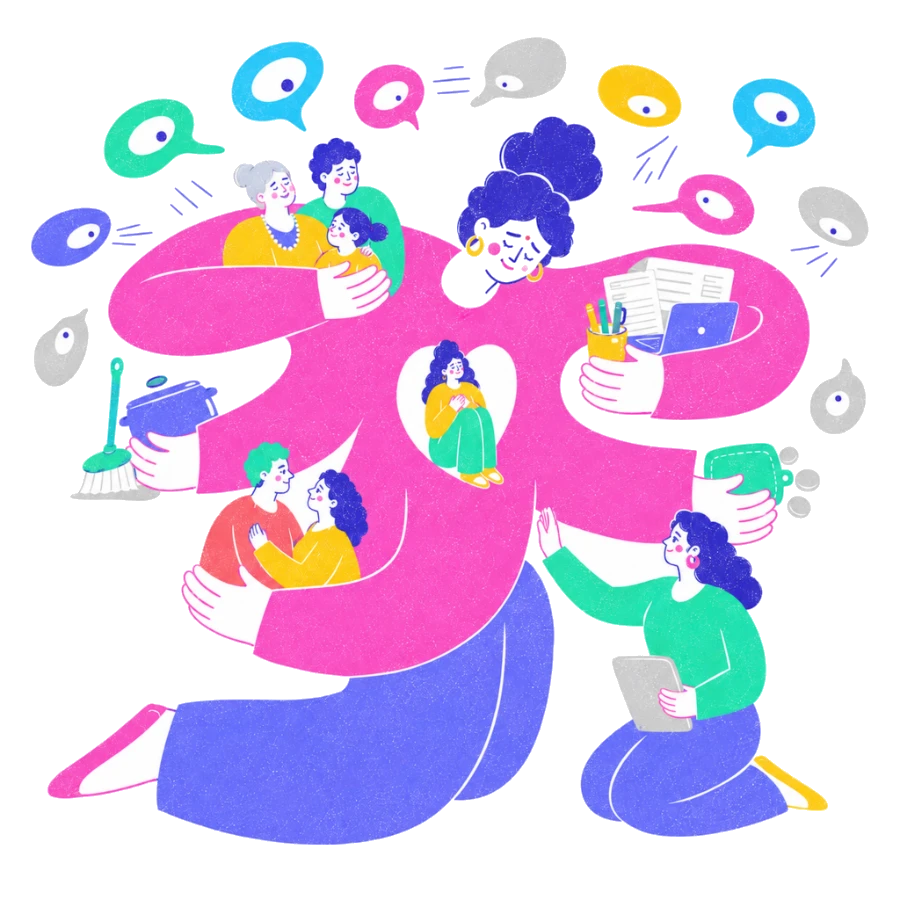
Identity, relationships, the guilt economy and the pressure of "log kya kahenge."
Explore this →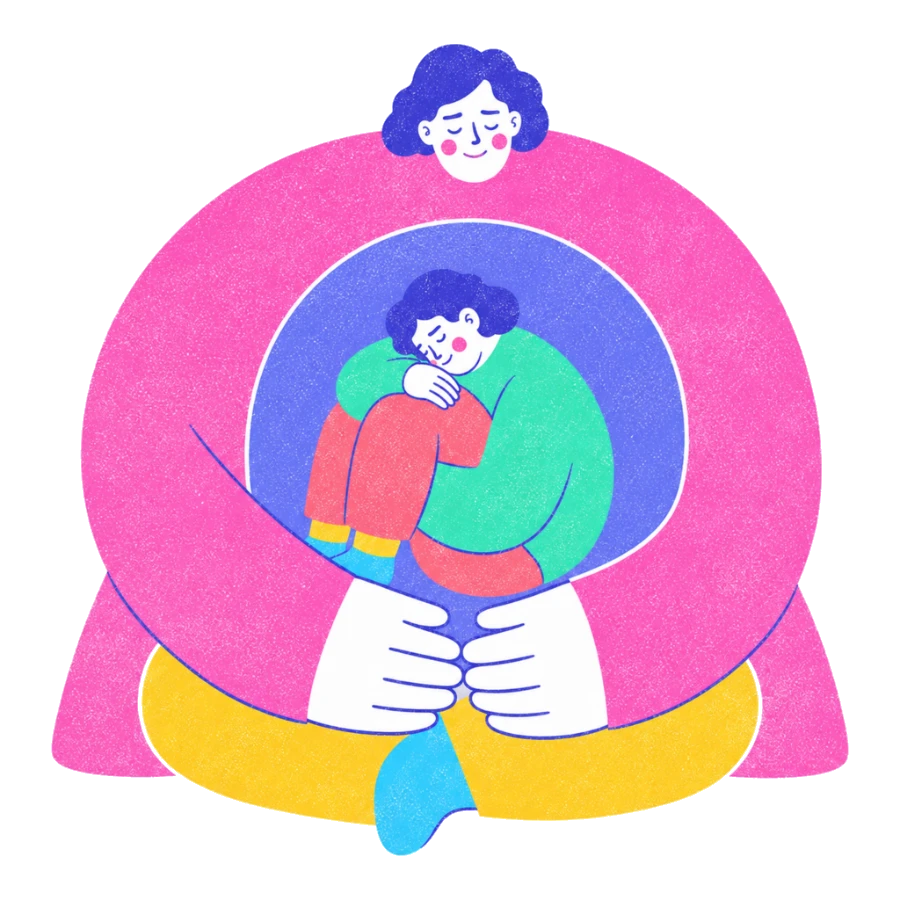
Situationships to marriage, and the families watching. Being known by the people closest to you.
Explore this →We do not ask you to leave your culture at the door. Many of our practitioners are part of the Indian diaspora and the LGBTQIA+ community themselves. We bring lived experience to the work, not just training.
Your identity is not a problem to be solved. It is a gift to be held. We understand the specific weight of being LGBTQIA+ in an Indian family, and we centre it.
Trauma does not always arrive loudly. Sometimes it lives in the body, in patterns, in the things we never say. We work gently, at your pace, centring your safety and agency.
You will not have to explain why you cannot just "set limits" with your parents, or why moving out is not always an option. We speak your language, literally and culturally.
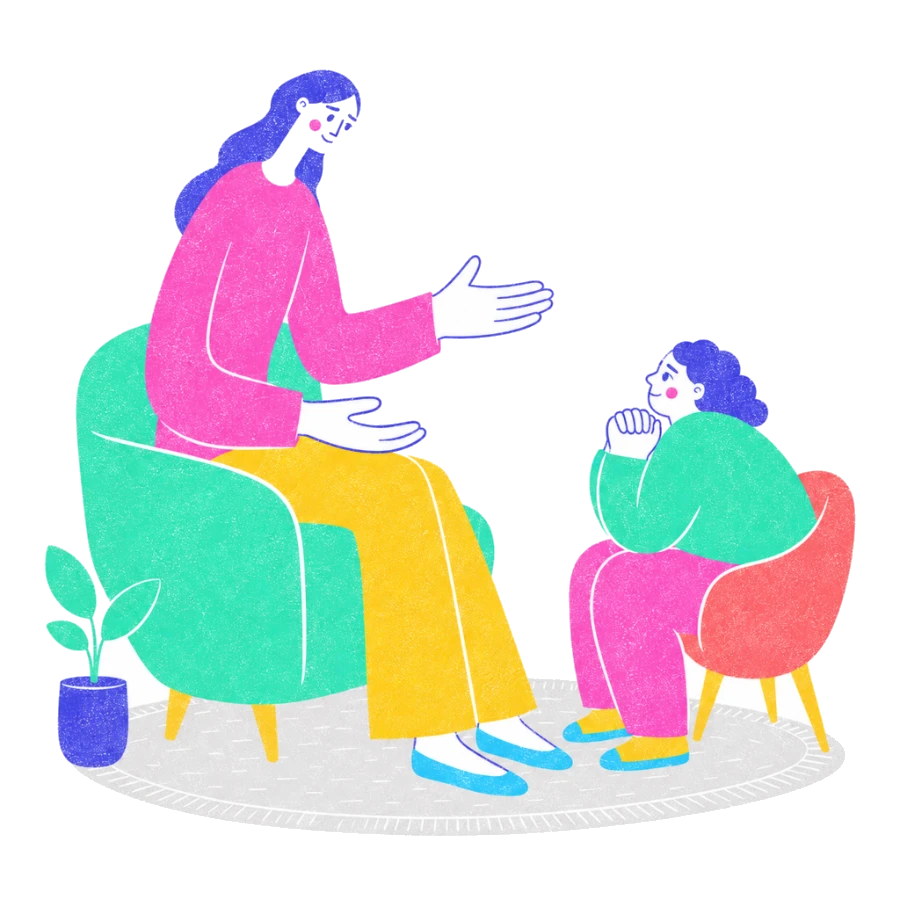
Most people quit right before it starts working, at session one or two, when it feels harder rather than easier. In our practice, something often shifts once enough trust is built for the real work to begin.
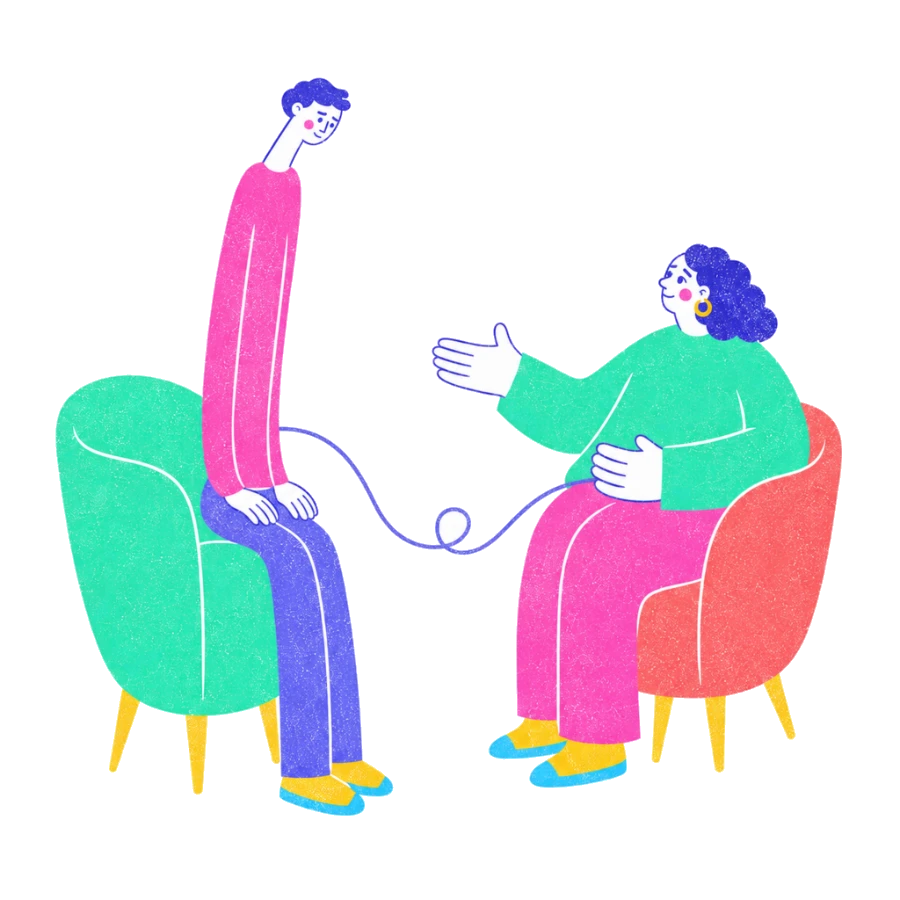
Read a practitioner's profile, see how they work and what they work with, then open their calendar and pick a time that suits you. You are choosing a person, not a slot.
Our writing exists to be genuinely useful and true, cited by search and by AI, and waiting when you are ready. No listicles, no jargon, no fixing.
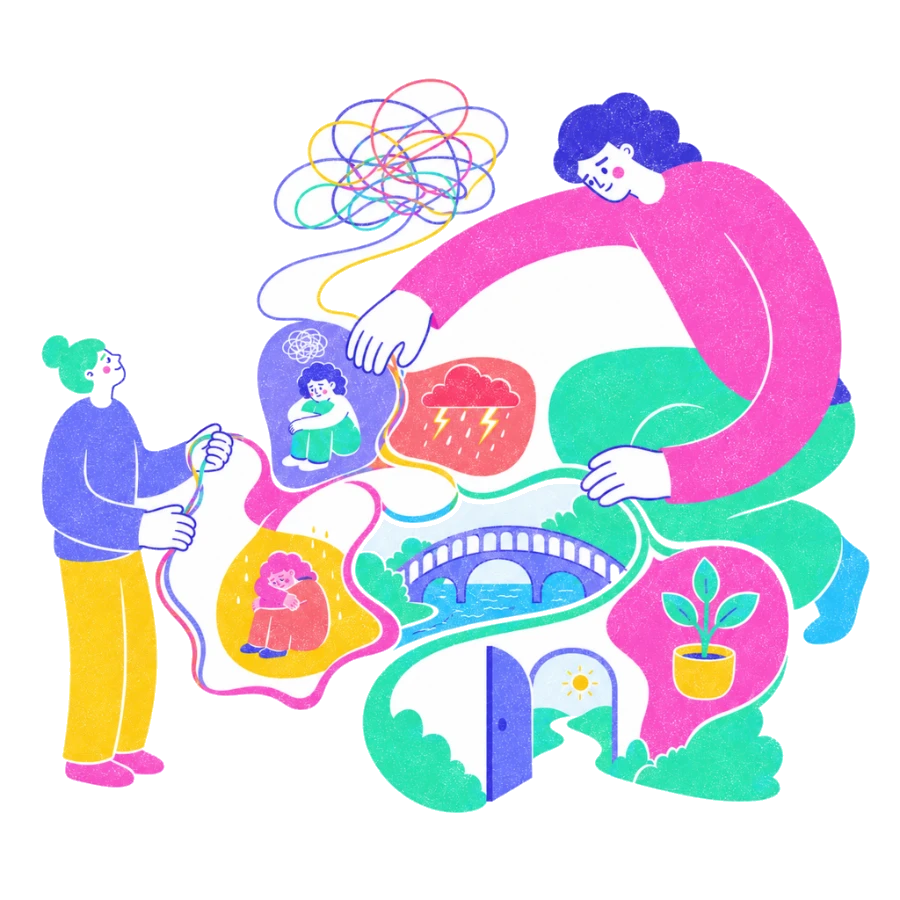
Why the feeling comes out sideways, and what it is usually trying to tell you.
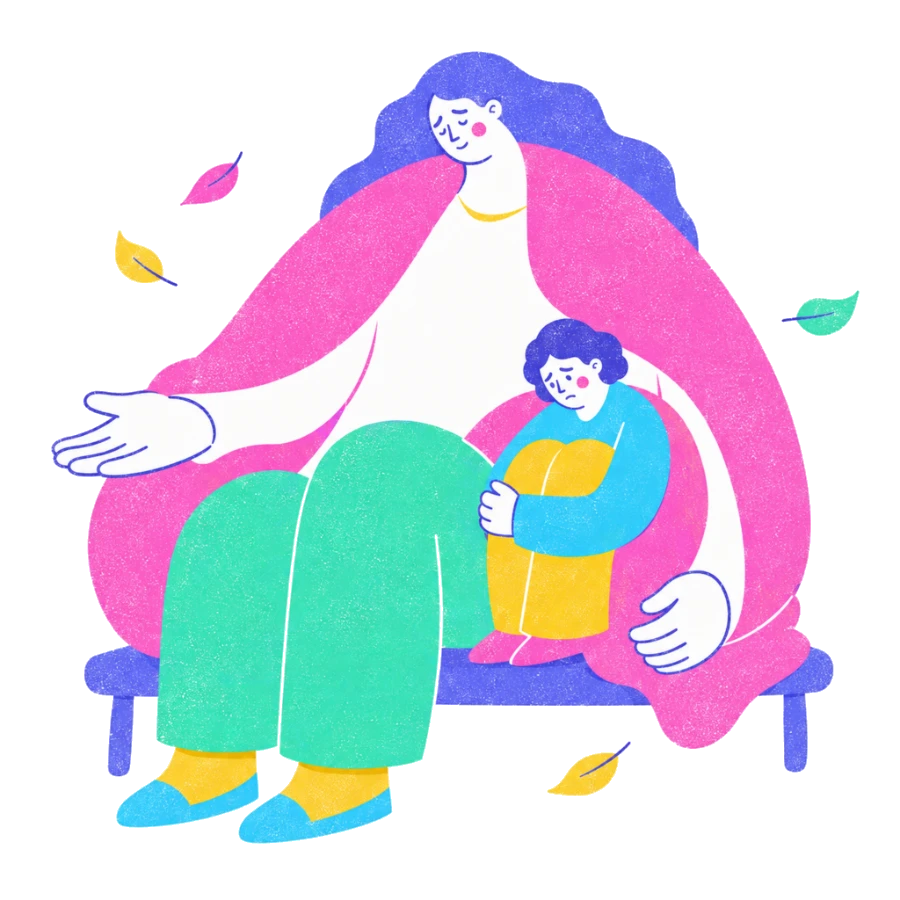 The Responsible One
Parentification in Indian families, and how to finally set the load down.
 Two countries, one self
Cultural-translation fatigue, and what it means to be understood without the backstory.
Not a diagnosis, and not a test you can fail. A few honest questions that help you notice a pattern, in plain words, with a warm read of what it often means and where to go next.
"I say yes before I have worked out whether I can."
Eight questions. You can stop at any point.
Then one day someone described it back to you, and you realised: oh. Not everyone is bracing all the time. That moment of recognition is the beginning. Our community, So What, is where it keeps happening.
"I came out to my friends, and back into the closet for Diwali. I didn't know that had a name until Fenweh said it out loud."
A reader, shared with consent
"I go home for two weeks and a year of therapy quietly packs its bags. Finally, someone who gets why."
A reader, shared with consent
"They never once asked me to explain why it's hard. That was the whole thing I'd been dreading."
A reader, shared with consent

Bring culturally-fluent, genuinely affirmative care to your team or your campus. Not another webinar nobody attends, but the kind of support your people actually trust enough to use.
We will meet you exactly where you are, at whatever pace feels right, with all of you in the room.
Book your session directly on the website. If you'd like help choosing a practitioner, we're here on WhatsApp.