

We do not leave good care to luck.
Most people find a good therapist by accident. A friend passes on a name, or the third try happens to be the one who listens well. When it works, it works. But it rests on chance, and chance is not a standard.
We built Fenweh so that good care does not depend on who you happened to find. What holds it steady is not one gifted person. It is the way we work: a set of clinical standards and practices we carry across the team, so that quality of care does not rest on chance.
A standard is only real if you can point to it.
Here is what ours is made of.
Every practitioner is supervised.
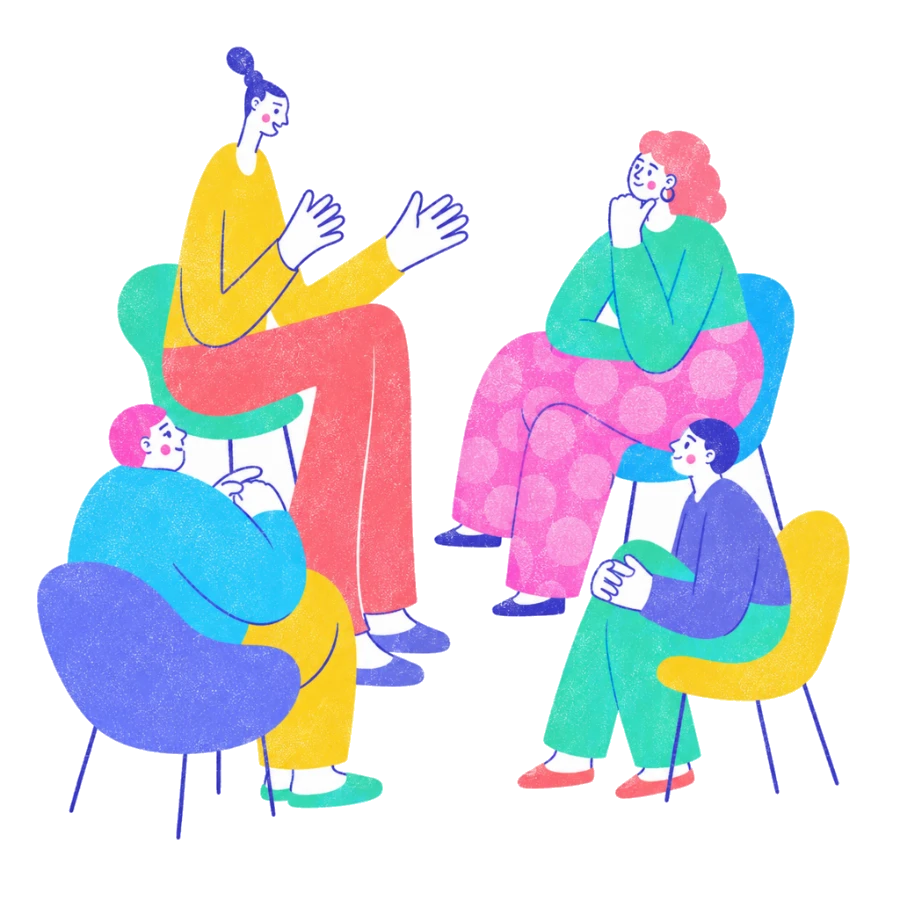
No one here works with their own judgement as the only clinical check. Our practitioners bring their work to regular clinical supervision, where another experienced clinician can review complex cases, question the thinking and catch what one person in the room might miss.
Where therapy and psychiatry overlap, the teams communicate so that different parts of a person's care work together rather than in isolation. Supervision is not a sign that something has gone wrong. It is part of how clinicians maintain good practice.
Caseloads are capped on purpose.
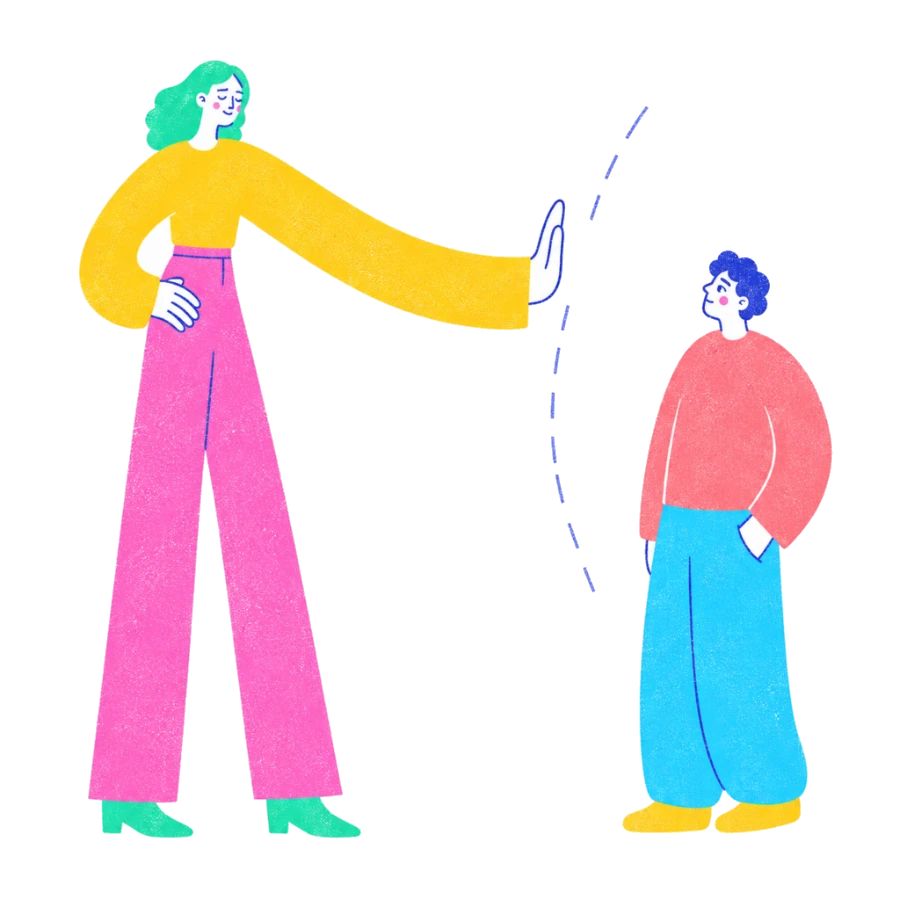
Attention is finite. When a therapist carries too many clients, there is less room to prepare, reflect and notice what might otherwise be missed. We keep each practitioner's caseload below a set ceiling so that the person you see has room to think about your care between sessions, not only during them.
It costs us capacity. We think it is part of the difference between being seen and being processed.
We measure whether therapy is working.
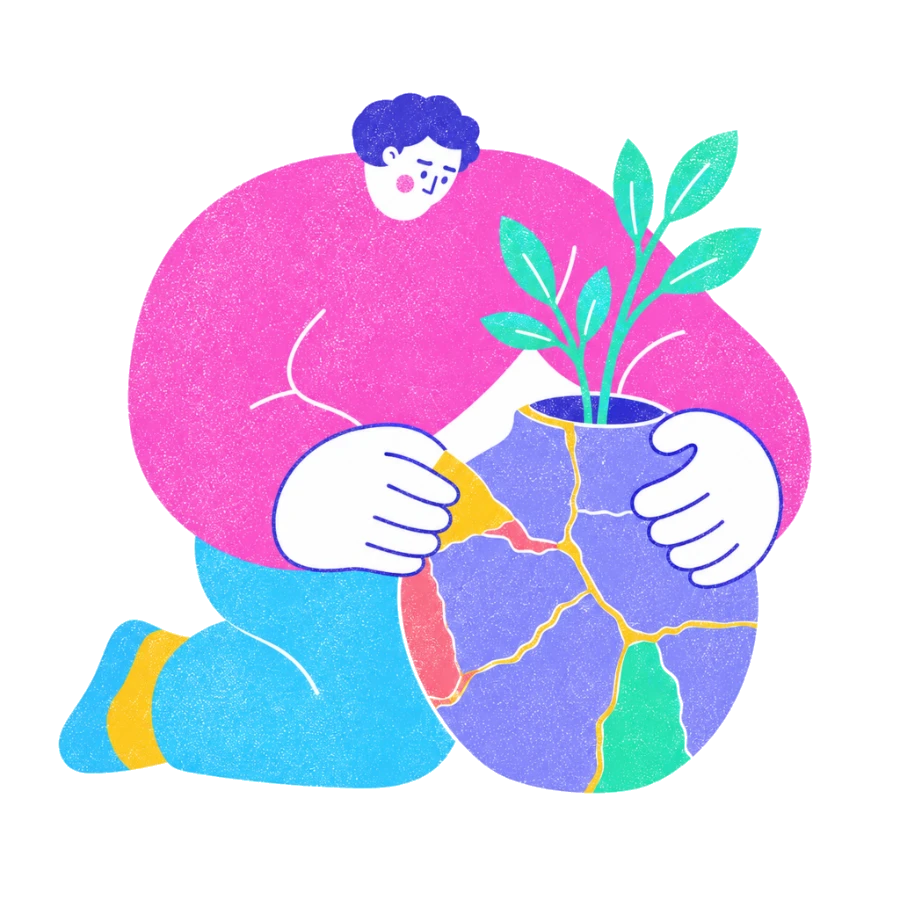
Feeling like you are making progress and seeing meaningful change are not always the same thing, and neither the client nor the therapist can always tell from inside the room. At appropriate intervals, we use brief, validated check-ins to understand how you are doing over time.
The numbers do not decide anything on their own. They are another source of information: if things are not moving, we would rather notice early and revisit the plan than assume the work is helping because the sessions feel good.
Training does not stop at hiring.
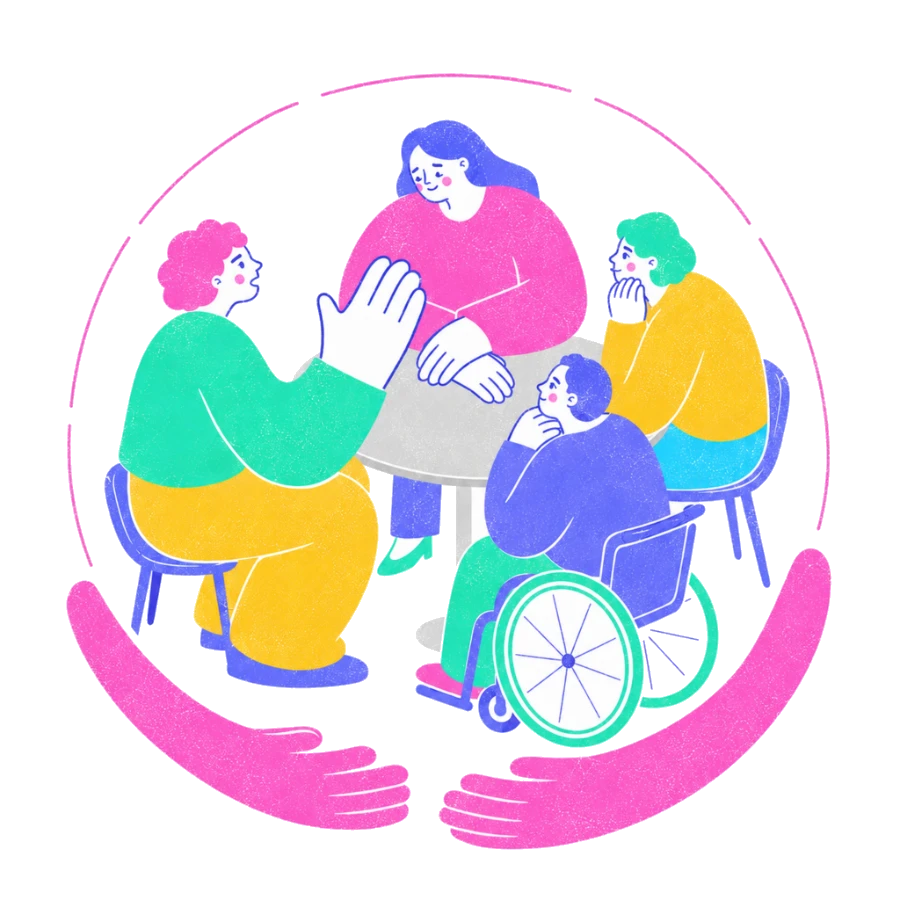
A degree is a starting point, not a finish line, and the evidence on what helps keeps moving. Our practitioners continue to train and develop their skills in the modalities they practise, as well as in areas such as working with queer and neurodivergent clients and trauma-informed care.
When a practitioner takes on a kind of work that is newer to them, they do so with supervision and honesty about their experience, not by improvising alone. We would rather say, "That is not my area. Here is who it is," than stretch beyond what we are trained to hold.
What we learn goes back into the work.
We read, and we pay attention to what our own practice teaches us over time, with care, consent and never at the cost of your privacy. Patterns we notice across our work, about what helps people in this context and in the lives they actually lead, feed back into how we train, supervise and practise.
This is the slow work of building an institution rather than simply running a practice. It is also why the care we provide should keep getting better.

None of these stands alone.
Each one feeds the next, so the quality does not just hold. It compounds.
Standards
Clear standards mean everyone knows what good care looks like here, not just the naturally gifted.
Supervision
Supervision keeps those standards alive in real cases, week after week, rather than leaving them on paper.
Capped caseloads
Capped caseloads give practitioners the attention that good clinical work, and the supervision that supports it, require.
Measurement
Measurement shows us where the work is helping and where it is not, honestly and early.
Training and re-training
What measurement reveals shapes what we train and re-train on next.
Research feeds back
What we learn feeds back into the standards, and the loop begins again a little sharper.
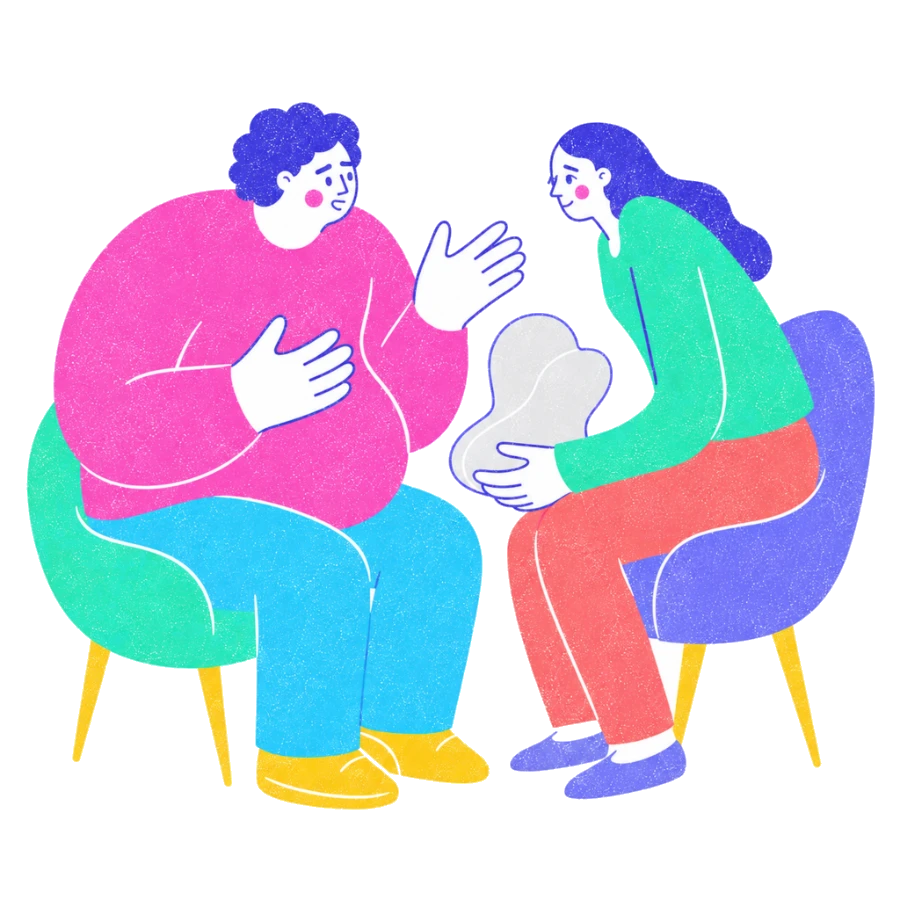
You should not have to interview five people to find someone you can trust with your care.
When you book with someone here, you are not relying on individual talent alone. You are choosing a practitioner held within a system that supervises their work, protects their attention, checks whether the work is helping, and keeps learning.
That is the whole point. Not that we found unusually good people, though we think we did, but that the standard of care should hold whichever practitioner you sit with. Good care, on purpose, not by luck.