

A gentle way to recognise what you're carrying.
A quiet way to put words to what you have been feeling. This is not a diagnosis. These are short, private sets of questions about things like low mood, worry, sleep, or attention. They are here to help you notice and name what is going on, and to make it a little easier to talk about, whether with us or with someone you trust. Take one if it is useful. Skip it if it is not.
This check is about "the responsible one," the eldest-daughter and good-child pattern many Indians grow up inside. Answer eight questions honestly. At the end you will get a gentle read, and a next step if you want one. It takes about two minutes.
Is this "the responsible one" in you?
Answer for how things usually are, not just today.
Answer all eight to continue. Nothing is saved.
Other gentle places to start.
Each one is a recognition tool, written in plain Indian-English, never a clinical verdict.
Is my "fine" actually burnout?
For the tiredness that sleep does not fix, and the guilt that comes with rest.
Coming soonWhat's my attachment style?
Why you might pick the same person every time, or stay when you want to leave.
Coming soonAm I numbing, or resting?
The difference between a nervous system exhaling and one that has gone quiet.
Coming soon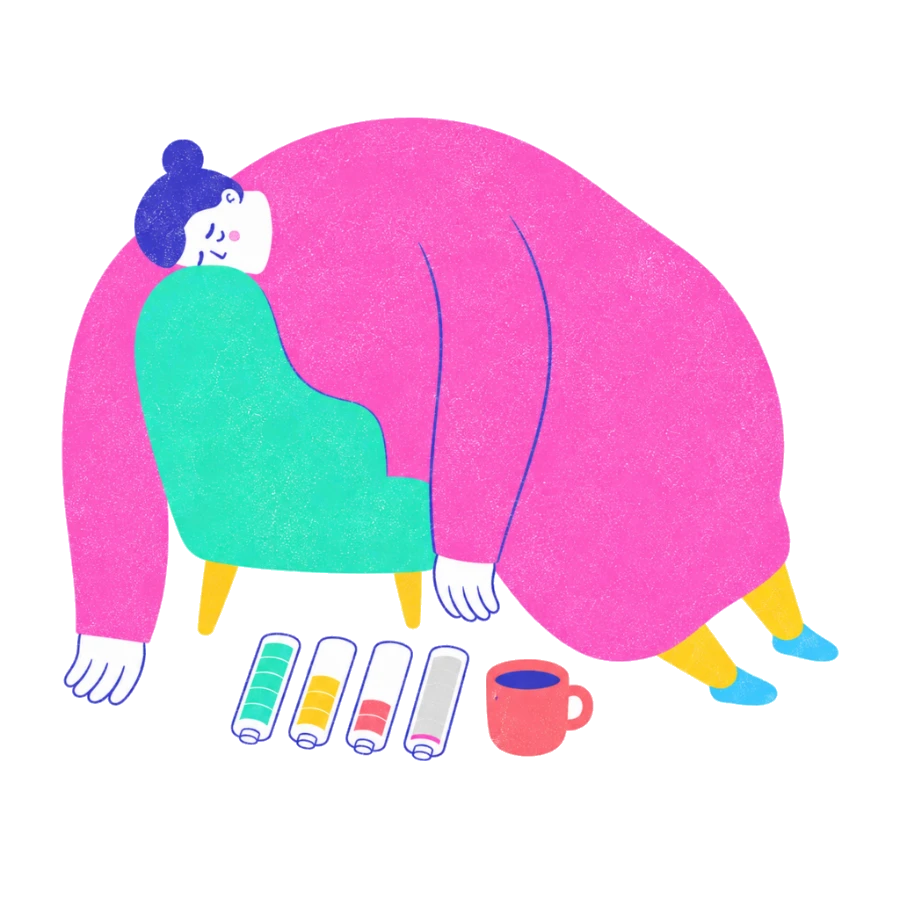
A self-check is a mirror, not a diagnosis.
It can point you towards something worth paying attention to, but it cannot tell you what you have, and it does not know your history, your context, or the shape of your particular life. Only a real conversation with a practitioner can help make sense of the whole picture.
- Nothing here goes on a record.
- Nothing here decides anything about you.
- Think of it as a way to gather your thoughts before you speak to someone.
You will get a plain-language reflection of what your answers suggest, not a label or a score to be alarmed by.
What it cannot tell you
A result that points to something is not a verdict, and a result that points to nothing does not mean your struggle is not real. These questionnaires are blunt instruments: they miss things, and they sometimes flag things that turn out not to be clinically significant. If what comes back matches how you have been feeling, that is worth talking through with someone. If it does not, trust your own sense of yourself. You are allowed to seek support at any score.
Before you begin one.
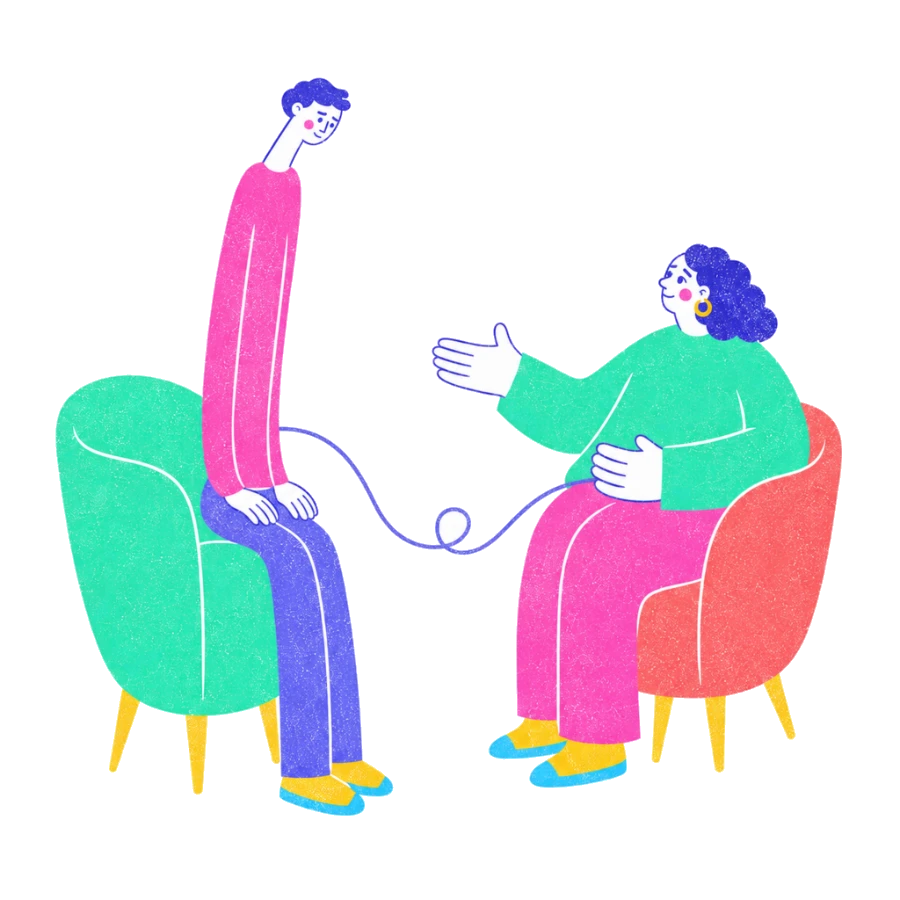
A self-check is a starting point, not a destination.
If something here rang true, a conversation with someone who can hold the whole picture may be useful. Our practitioners write about their work in their own words, so you can read a few and get a feel for who you might want to sit with.
If you are in immediate danger or worried you might act on thoughts of harming yourself, please contact Tele-MANAS (14416 or 1-800-89-14416, available 24×7 across India) or your local emergency services.