

Real questions, answered properly.
People send us the questions they have not asked anyone. We answer them in public, anonymously, in the same plain language we would use in a session. No diagnosis, and no pretending a hard answer is simple.
Anyone can send a question. We publish a selection with identifying details removed, answered by a named Fenweh therapist. Nothing here is a diagnosis or a treatment plan, and we will say plainly when something needs a real session rather than a paragraph.
Six questions from the last month.
How do I know if I actually need therapy, or if I am just being dramatic?
If you are asking, that is usually answer enough. Therapy is not reserved for a threshold of suffering that you have to prove you have crossed. The more useful question is whether something has been running in the background for long enough that you have stopped noticing the cost of it.
My parents think therapy means I am blaming them. How do I explain it?
You may not be able to, and that is worth knowing before you try. For many parents the word lands as an accusation. Some people describe it as talking to someone about work stress, which is not a lie. Others decide not to tell them at all. Neither is dishonest.
Is it normal to feel worse after the first few sessions?
Fairly often, yes. Things you have kept at a distance come closer once you start naming them. It should settle within a few weeks. If it does not, or if you feel unsafe, say so directly to your therapist rather than waiting for it to pass.
I cried in session and now I feel humiliated. Should I apologise?
No. Nothing happened that needs repairing. The instinct to apologise is worth bringing in, though, because it usually points at something older about who was allowed to be upset in your house.
Can I do therapy in a mix of English and my own language?
Yes, and it often helps. Some feelings only exist properly in the language you first felt them in. Tell us which languages you want at intake and we will match you with someone who shares them.
My therapist and I disagree about something important. Do I switch?
Not necessarily. A disagreement worked through openly is frequently the most useful thing that happens in therapy. Say it out loud first. If you are dismissed rather than engaged with, that is different, and then yes.
The limits of a written answer.
What you can expect
- A plain answer from a named therapist.
- Identifying details removed before publication.
- An honest "we cannot answer that here" when that is true.
What this is not
- A diagnosis, or a substitute for one.
- Crisis support. If you are in danger, please contact 112 or your nearest hospital.
- Advice about a specific person we have never met.
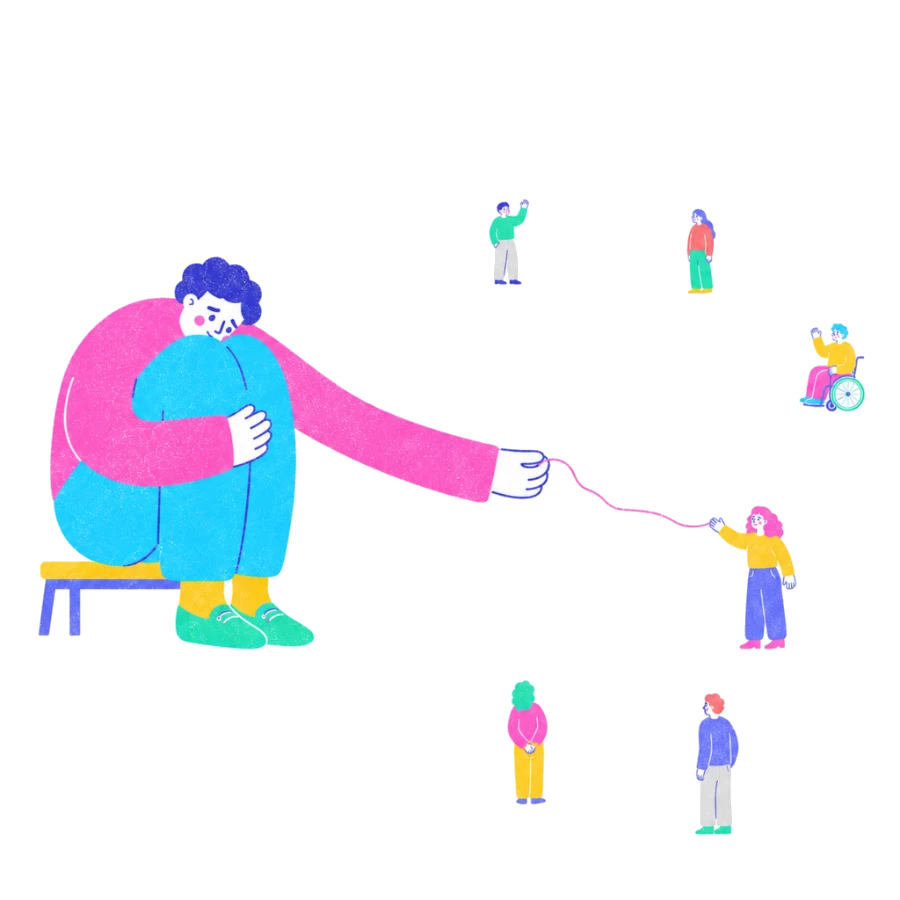
The question you have not asked anyone is usually the useful one.
Anonymous, and answered by a real therapist. We publish a selection each month.