
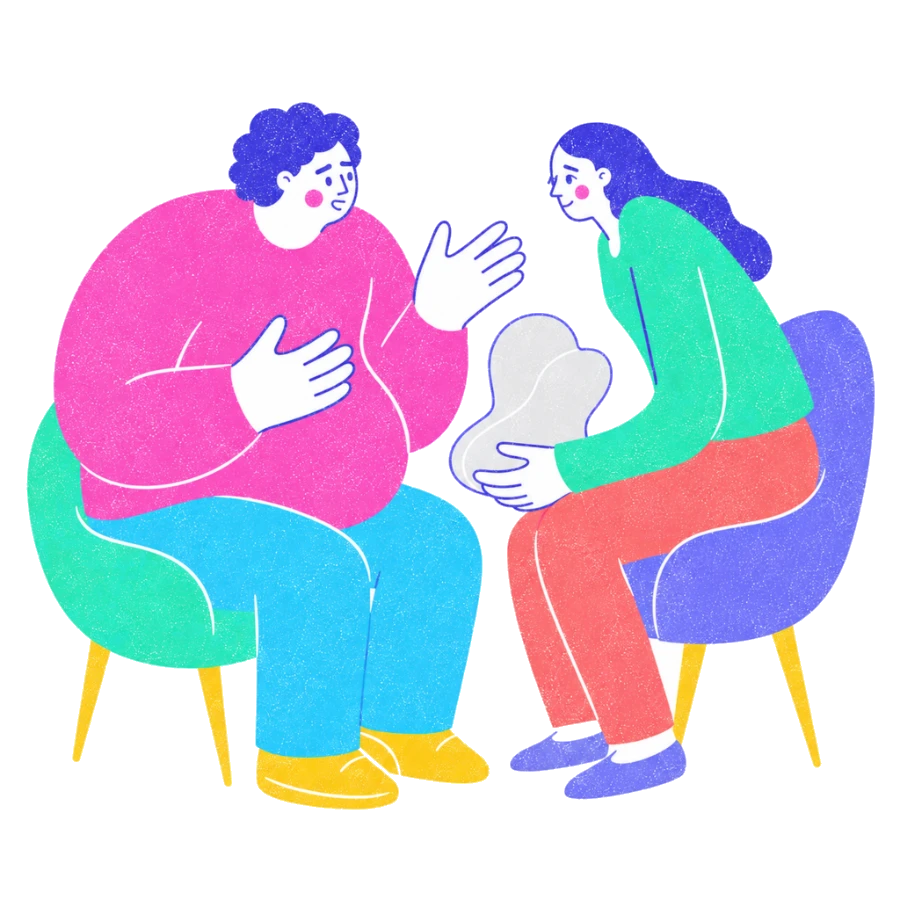
Safety first. Then trust. Then growth.
Most therapy goes wrong by starting in the wrong place. Insight offered before safety is established does not land, and homework given before trust is built feels like another performance review. We work in an order, and we say what it is.
Fenweh is trauma-informed, queer-affirmative and culturally rooted. In practice that means three things: your nervous system gets settled before anything is asked of it, your identity is not treated as the presenting problem, and you never have to explain what a joint family is. We draw on several modalities rather than one, and we tell you which one we are using and why.
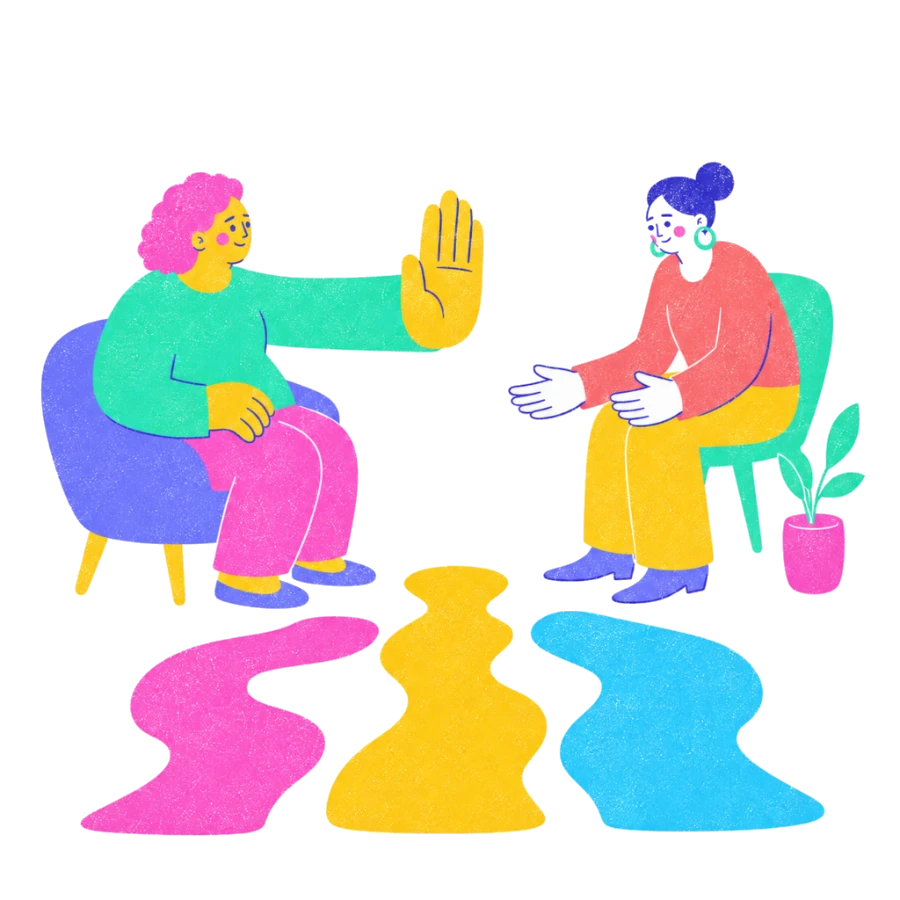
A settled body can think. A braced one cannot.
Trauma-informed is not a badge, it is a sequence. Before we go anywhere difficult, we make sure you can come back.
- You set the pace, and stopping is always available without justifying it.
- Nothing is asked of you in the first session except what you want to bring.
- You will be told what we are doing before we do it, not after.
- Grounding is taught early, so the difficult material has somewhere to land.

You should not have to audition for your own therapist.
Trust is built by the therapist being consistent and specific, not by you disclosing faster.
You can say "I am not out at home" once, and never explain it again.
And what it rules out
Being asked whether you have tried yoga. Being told your parents did their best before you have finished the sentence. Having your queerness treated as the thing to be resolved.
Whatever growth means for you, not for us.
We do not have a house definition of a life well lived. What we have is a set of methods, chosen for the person in front of us.
Where the methods come from
Psychodynamic work for patterns with long roots. CBT and behavioural tools where a loop needs interrupting. Somatic and parts work where the body is holding what language cannot. Narrative work where the story you were handed no longer fits.
How we choose
Deliberately, and out loud. Your therapist will tell you what they are drawing on and why they think it suits you. If it is not working, saying so is useful information rather than a complaint.
What people want to know about how we work.
You are not a problem to be solved by the right framework.
The method matters less than whether the person using it understands where you are speaking from.
The methods behind the room.
We are integrative rather than loyal to one school. Your therapist chooses the approach that fits the problem in front of you, explains why, and changes it when it stops being useful.
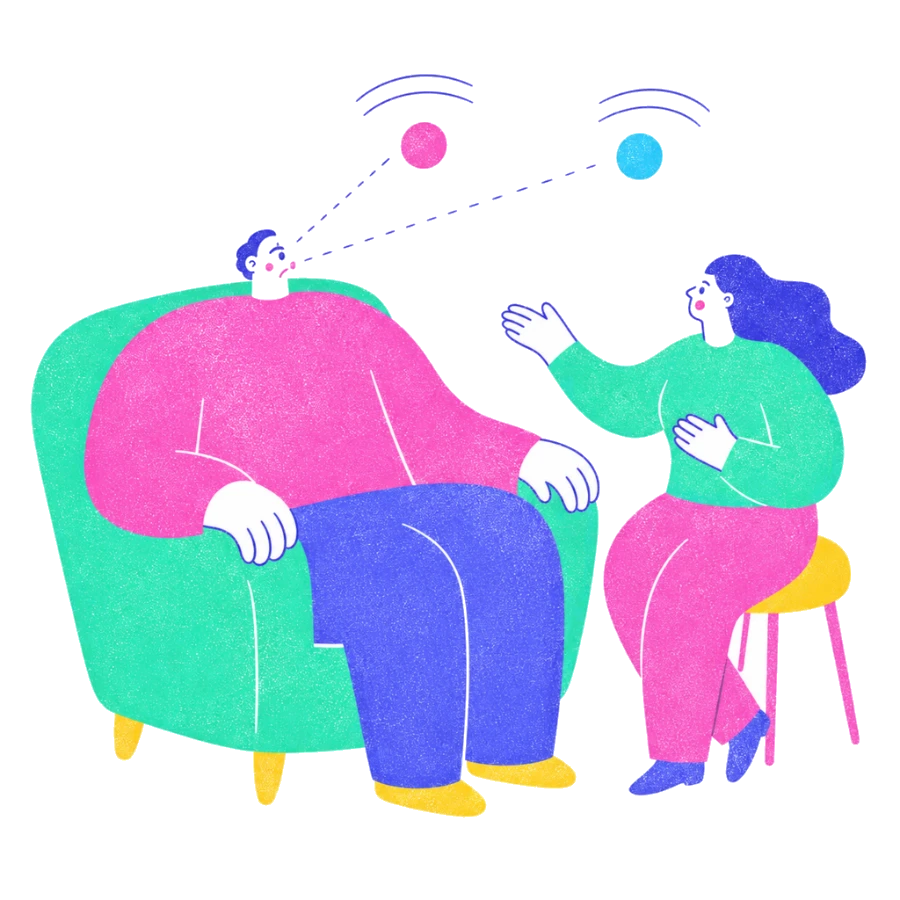
EMDR
For memories that still fire as though they were happening now. Processed in a way that does not require you to retell everything.
How it works →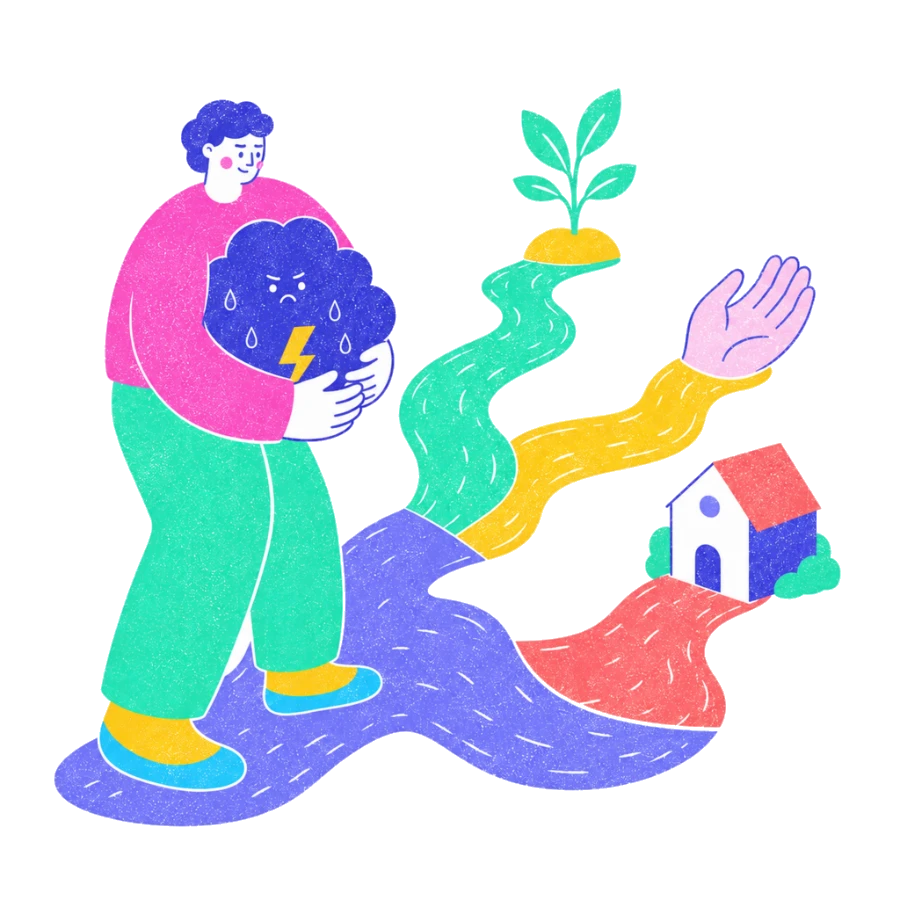
ACT
You do not have to feel ready before you move. We work out what matters to you and build action around it, carrying the weather with you.
How it works →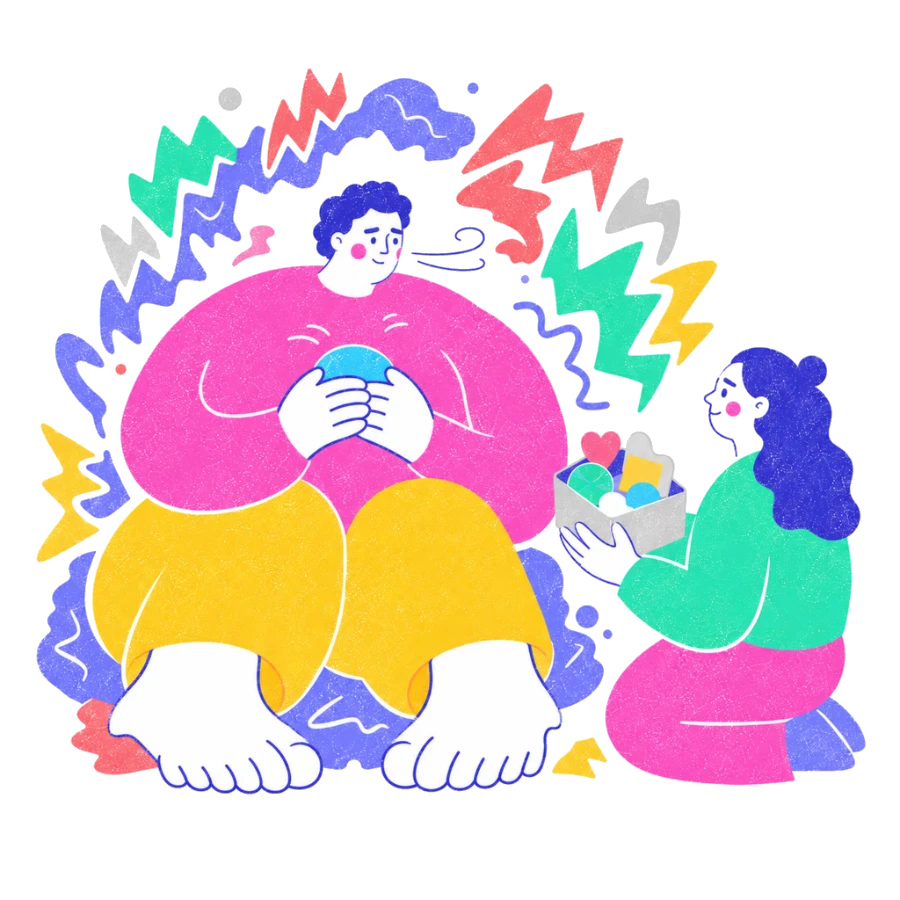
DBT: riding the wave
Skills for the hour you cannot think straight. Something to hold until the intensity passes, rather than advice for later.
How it works →
DBT: saying the thing
How to ask, refuse and repair without losing the relationship or losing yourself. Practised out loud, in session.
How it works →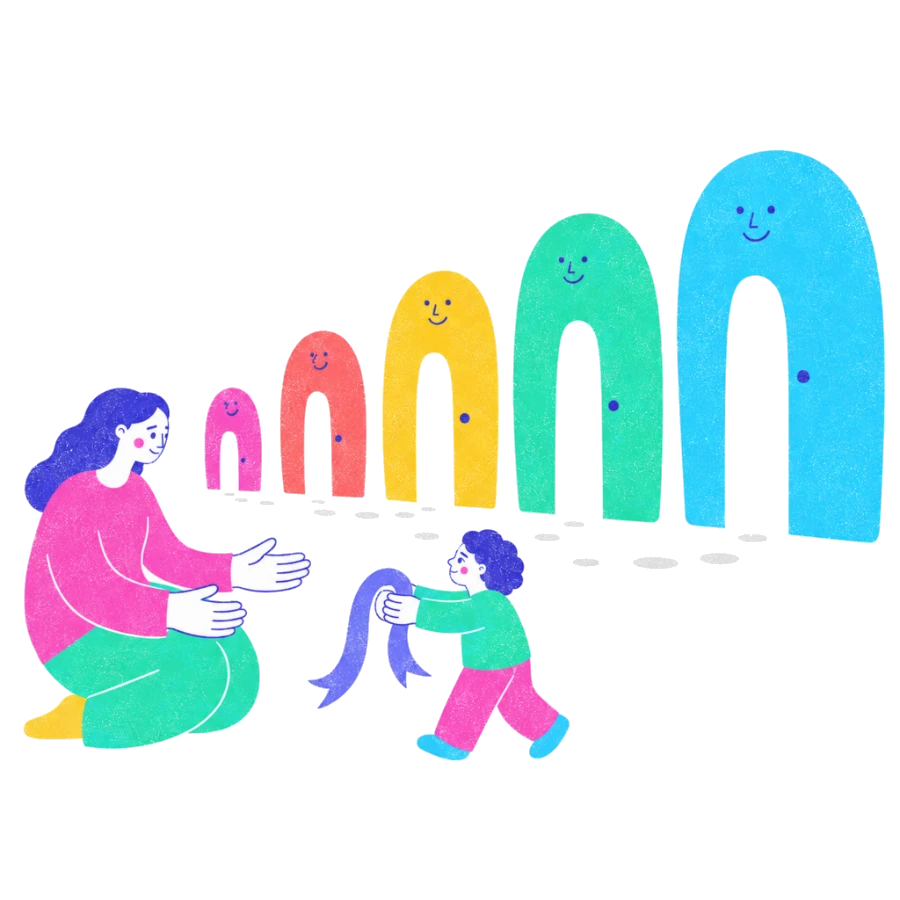
Graded exposure
Fear shrinks in steps, not leaps. We build a ladder you agree to, and you set the pace on every rung.
How it works →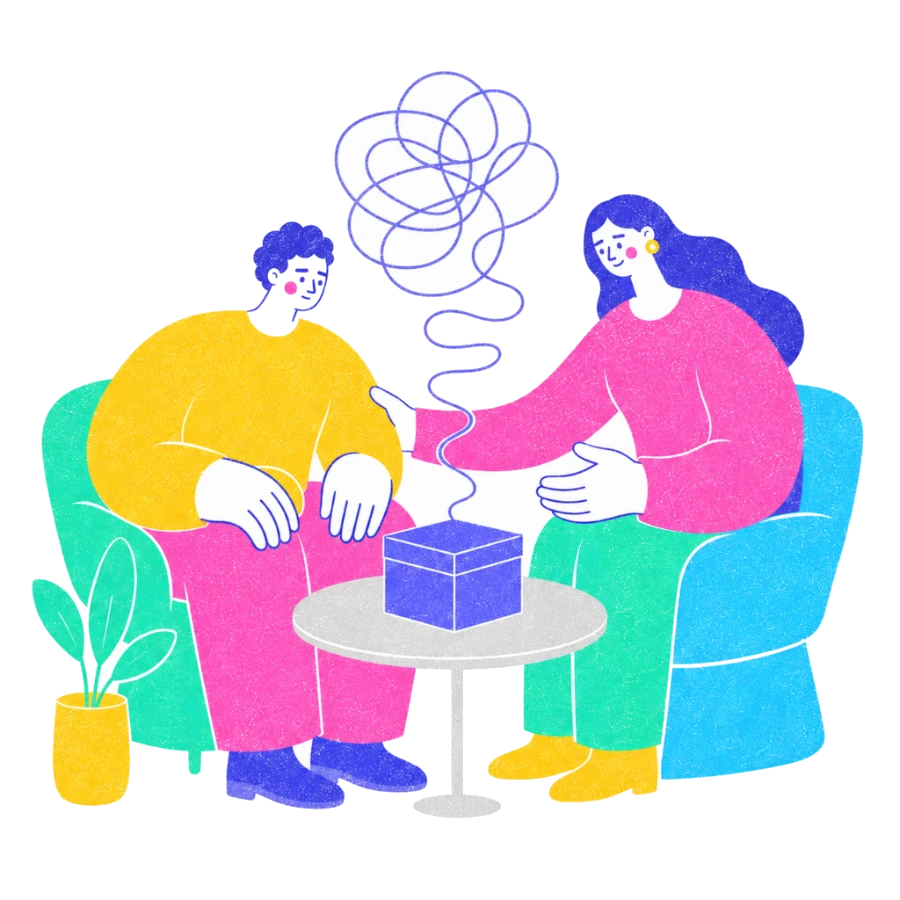
ERP for OCD
Learning to leave the thought unanswered. Uncomfortable at first, freeing after, and never done to you without consent.
How it works →