Start Here
Find your right-fit therapist Try an honest self-check
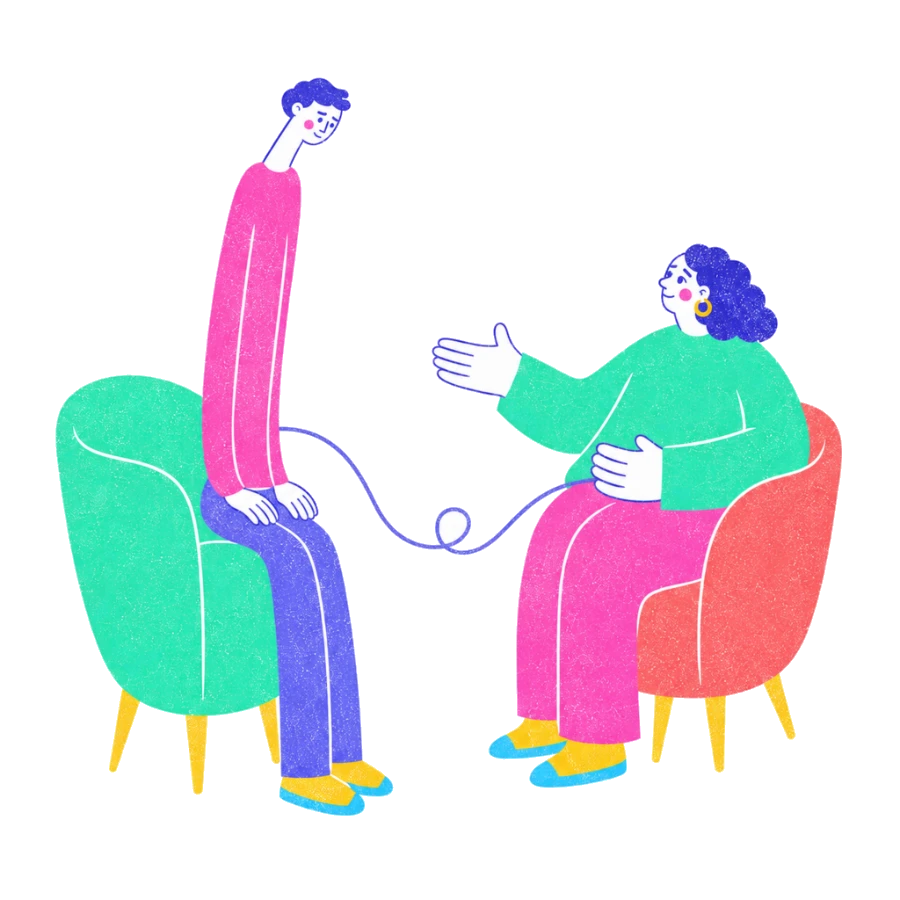
Fenweh — a therapist and client seated facing each other in a warm room, illustrating one-to-one individual therapy
Meet the team

Named humans, with lived understanding.

All our therapists are trained mental health professionals who also bring lived understanding of the Indian experience, in India and abroad. You will not be handed to a stranger who needs everything explained.

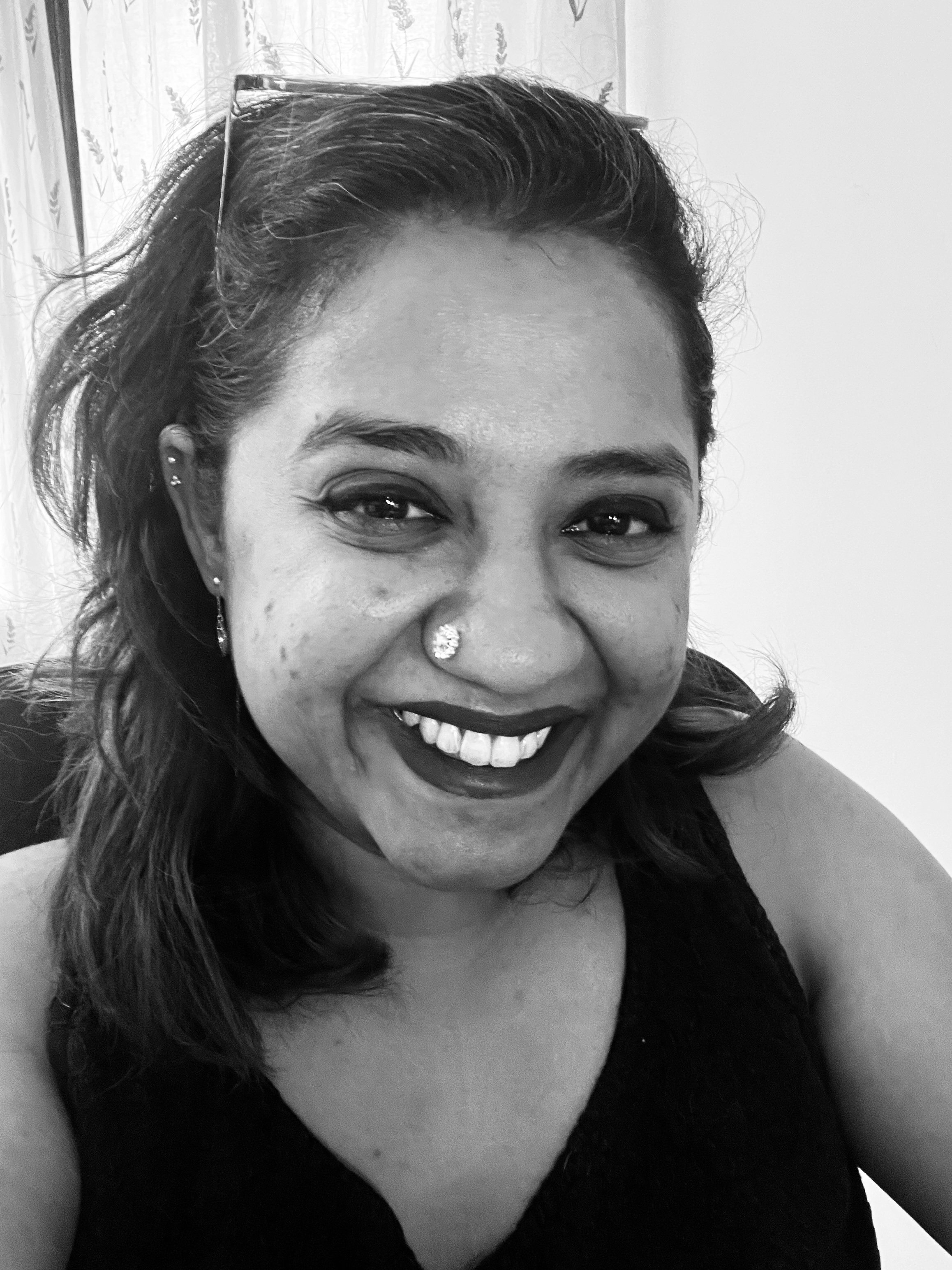
Lenni George Hyderabad, India

Lenni George

She / Her · Co-founder

Trauma · Queer Identity · Gender & Sexuality · Relationships

Lenni founded Fenweh out of the experience of feeling unseen in therapy. She holds trauma and queer identity with equal care, and she leads on affirmative-care integrity across the practice.

Speaks: English, Malayalam, Hindi, Telugu

Ritika Kakde Bangalore, India

Ritika Kakde

She / Her

Anxiety · Depression · Burnout · Life Transitions

Ritika works with the everyday weight of anxiety, low mood, and burnout, in plain language and without judgement. She is especially good with people in the middle of a big life transition.

Speaks: English, Hindi, Marathi
Nuzhat Basheer Dubai, UAE

Nuzhat Basheer

She / Her

Women's Identity · Diaspora · Relationship Concerns

Nuzhat works from Dubai and knows the diaspora double life from the inside. She holds relationship concerns and questions of identity with warmth, and offers timezone-friendly hours.

Speaks: English, Hindi, Tamil

Our bench also includes associate therapists and a visiting psychiatrist. When you enquire, we match you to the right person for what you are carrying and your budget, not simply whoever is free first. Get matched →

What they share

The floor every Fenweh therapist stands on.

Affirmative by default

Your identity is held as a gift, never a problem to fix.

Trauma-informed

Gentle, paced, and centred on your safety and choice.

Culturally fluent

No translating your family from scratch, every session.

Lived experience

Part of the diaspora and the LGBTQ+ community themselves.

How matching works

You will not be handed a raw calendar.

Tell us what is going on in your own words. A real person reads it and suggests the therapist who genuinely fits you, across region, language, and lived experience. If the fit is not right, we change it, no awkwardness.

Fenweh — a client and therapist sorting cards into a shared plan, illustrating collaborative goal setting
How we choose

Why the bar is where it is.

Every therapist here is qualified. That is the floor, not the standard. What we look for beyond it is harder to certify and matters more.

Trained, and still training

A recognised qualification in clinical or counselling psychology, plus current professional development. Nobody here is coasting on a degree from a decade ago.

Supervised, always

Regular clinical supervision is a condition of practising with us, not an optional extra. Your therapist has someone thinking alongside them.

Fluent in your world

Understanding what a joint family actually costs, or why coming out is a calculation rather than an event, is not something a syllabus teaches.

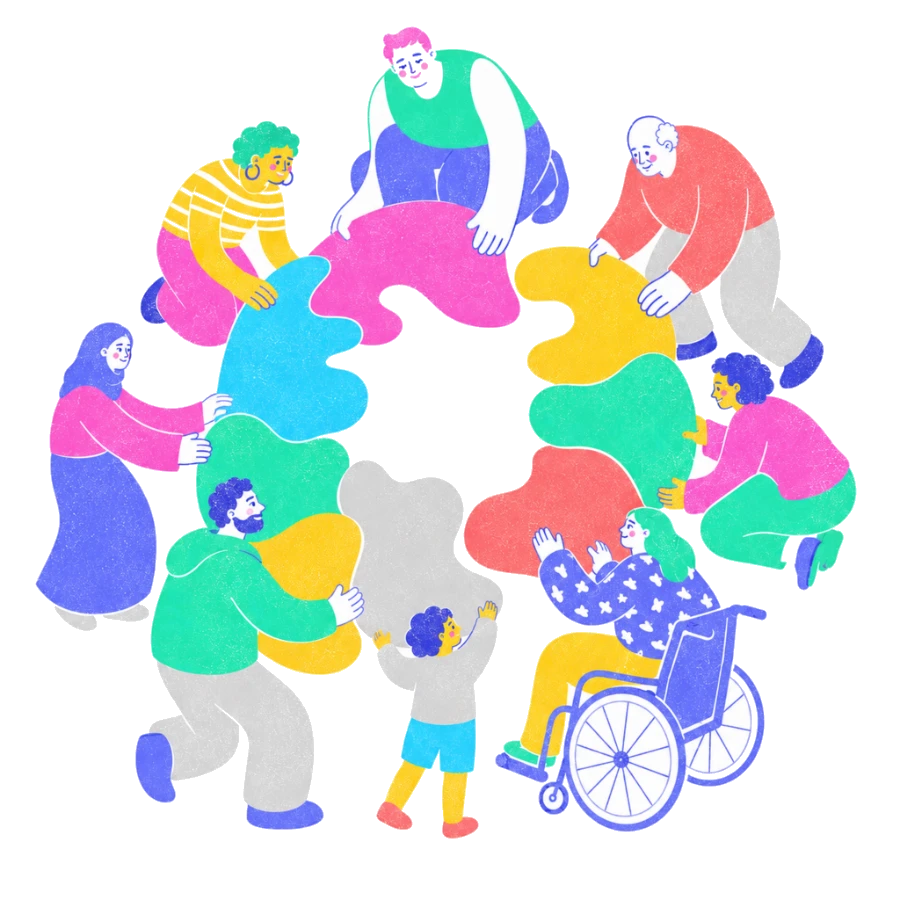
Fenweh — people of many bodies and ages fitting large puzzle pieces into a circle, illustrating community and belonging
What we owe you

Things you should be able to take for granted.

  • You will never be asked to explain why your family is the way it is before you can talk about how it affects you.
  • Your identity will not be treated as the presenting problem.
  • If your therapist is not the right fit, changing is a normal request and we will not make it awkward.
  • What you say stays between you and your therapist, with the narrow legal exceptions we set out plainly before you start.
Questions about the team

Choosing who you talk to.

You choose. We shortlist two or three we think fit and tell you why, and the decision stays with you.
Tell us and we will match you again. Fit is not a verdict on you or on them, and a mismatch caught early saves months.
Sessions run in English, Hindi, Telugu, Tamil, Malayalam, Kannada, Marathi, Bengali, Gujarati, Punjabi and Urdu, depending on the therapist.
In practice, and we screen for it. Affirmative means your identity is not something to be explained, managed or quietly worked around during the hour.
Yes. Sessions are online, so a move does not have to mean starting over with someone new.
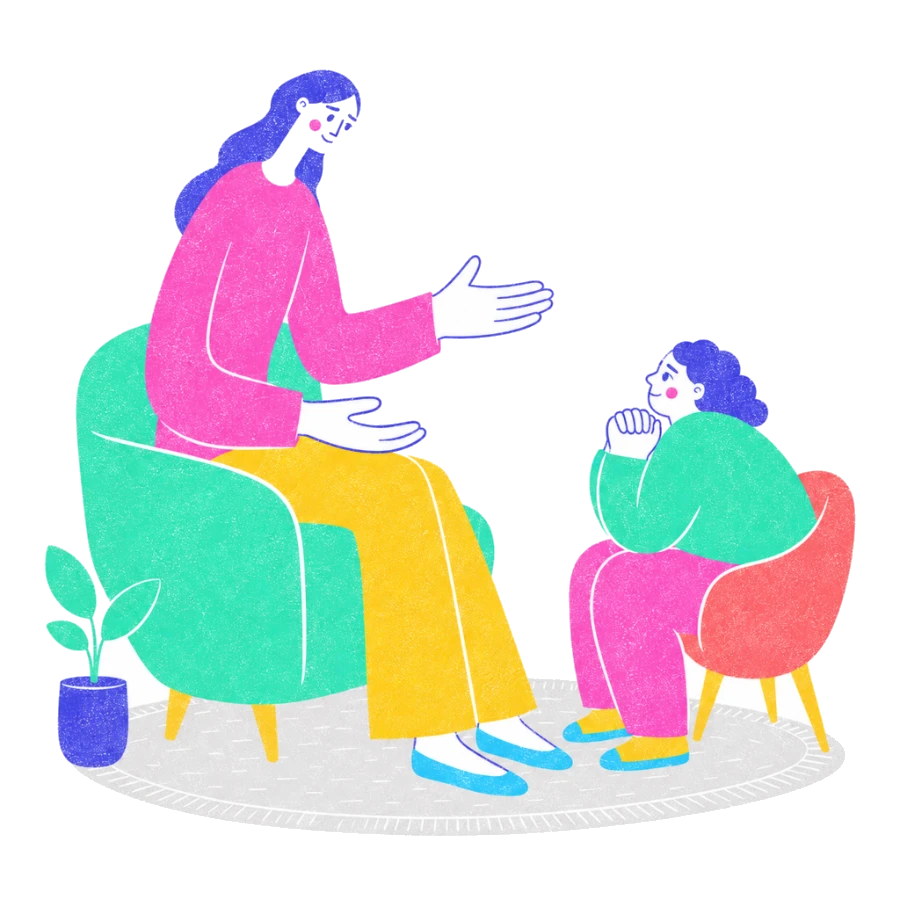
Fenweh — a therapist and client in a first session, one gesturing while the other listens, illustrating the start of a conversation
When you're ready

Meet the person who will hold space for you.

When you are ready, we will help you find your fit, gently and without pressure. A free 15-minute call is a good place to start.

Find your right-fit therapist