

Holding everyone, and held by no one.
Caregiving is the work nobody counts. Raising children, managing an ageing parent, often both in the same decade, while being told this is simply what family means. You are allowed to find it hard.
This is for parents, and for anyone carrying the care of someone else: an ageing parent, a sibling who needs support, a partner who is unwell. We do not hand out parenting techniques or ask you to be more grateful. We work on the load, the guilt attached to putting any of it down, and what is left of you underneath.
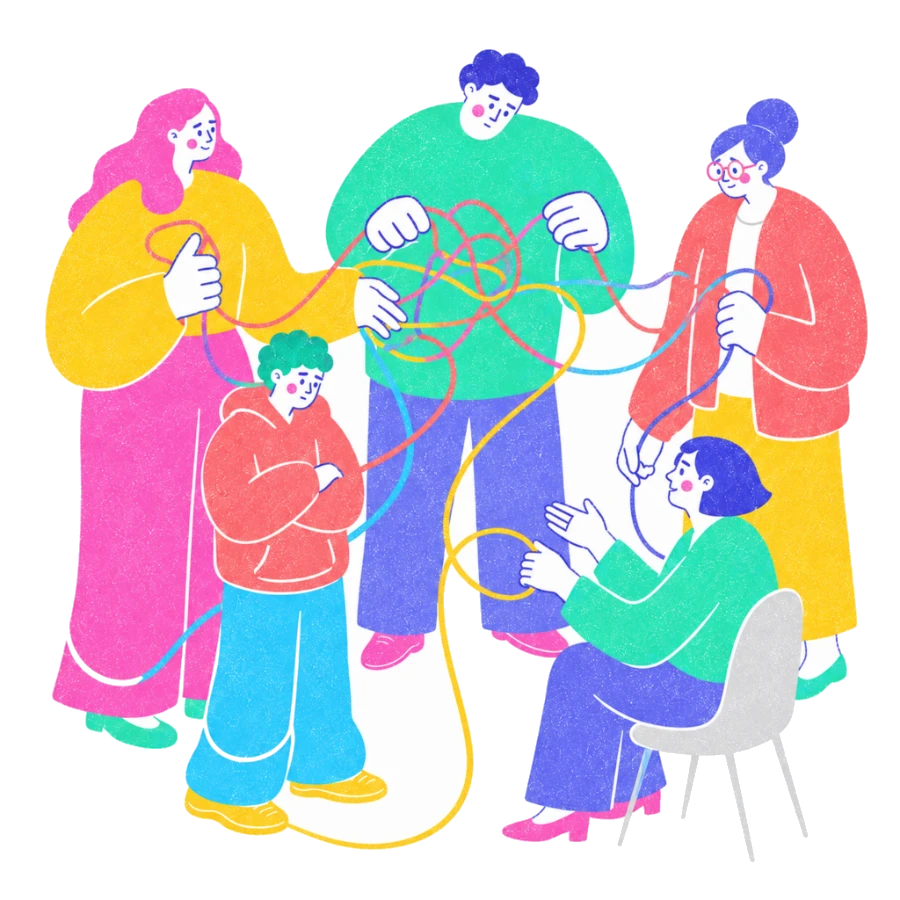
You are raising them differently, and it is lonelier than expected.
Many Indian parents are trying to do something their own parents did not do: talk about feelings, apologise, allow a no. There is no script for it, and often no support at home.
"I am parenting the way I wish I had been parented, and it is bringing everything up."
What we work on
The moment you hear your mother's voice come out of your mouth. Repair after you lose your temper. Disagreeing with your co-parent in front of a watching household. And what your own childhood is asking of you now.
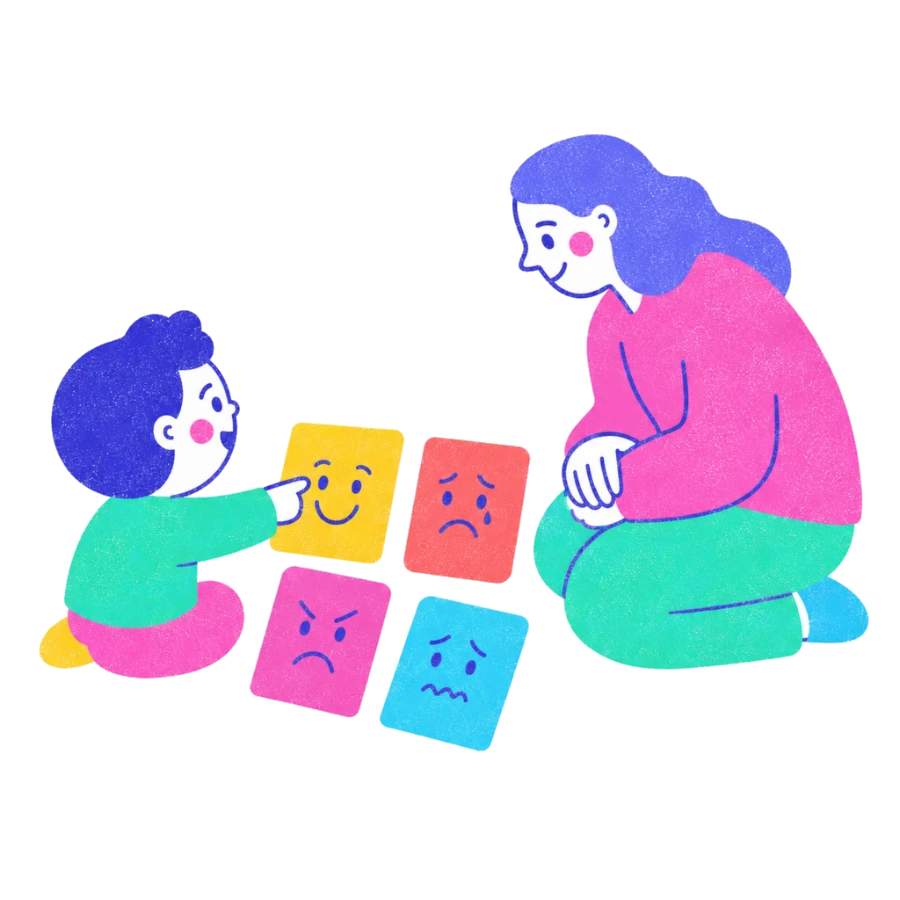
The role reverses, and nobody announces it.
One day you are managing appointments, medication and money for the people who raised you, while grieving them before they have gone.
- Anticipatory grief, which is real grief and rarely gets called that.
- Old resentment surfacing at exactly the moment you are expected to be gentle.
- Siblings who help unevenly, and the conversations nobody starts.
- Doing it from another country, at three in the morning, on the phone.
Questions caregivers ask first.
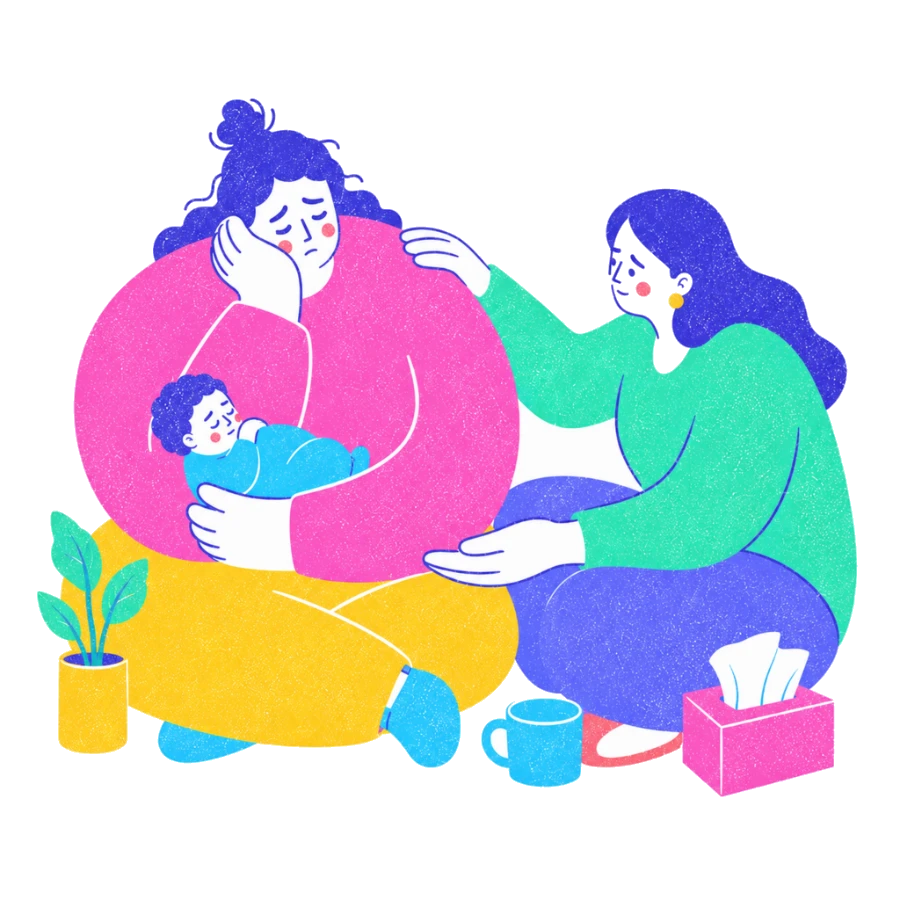
Being depended on is not the same as being supported.
You can be the reliable one and still need somewhere to put it down.
The support changes as they do.
A six-year-old and a sixteen-year-old need different rooms. We match the approach to the age rather than shrinking adult therapy to fit.
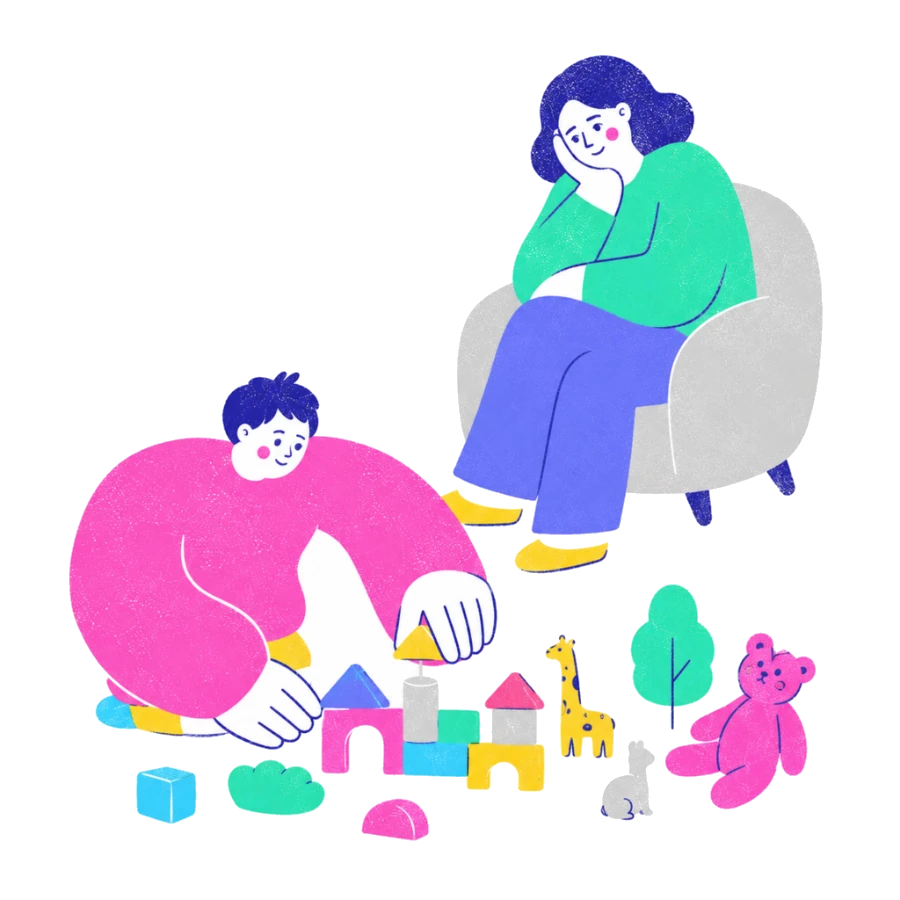
Younger children
Play is how children say what they cannot yet explain. The work looks like a game and does the same job as talking.
Read this →
Early teens
The pull of the group, and the cost of standing slightly outside it. Practising the refusal before it is needed.
Read this →
Older teens
Trying on selves is the task, not the problem. A room where the trying on is allowed and nothing gets reported home without agreement.
Read this →