

You were taught to be the one who holds it together. Who holds you?
Identity, relationships, the guilt economy and the low hum of "log kya kahenge." For the woman who is coping beautifully and quietly running out of herself.
Indian women are rarely taught to want things out loud. Worth gets tied to how much you absorb for other people, so rest feels like neglect and having a need feels like a demand. Fenweh works with the guilt economy, invisible labour, identity loss after marriage or motherhood, and the constant audit of "log kya kahenge," in plain language and without asking you to become less of a daughter, partner or mother.
You are, by every visible measure, doing well. The house runs. The work gets delivered. Everyone else's needs are anticipated a half-step before they are spoken. And somewhere underneath all of that competence is a woman who cannot remember the last time she was asked what she wanted, including by herself.
This is not a personality. It is training. Girls in most Indian families are raised to be barometers, reading tension in a room and adjusting themselves to lower it. Done for twenty or thirty years, that stops feeling like labour and starts feeling like identity.
Being needed is not the same as being known.
Context worth holding: Indian women perform several times more unpaid domestic and care work than men, among the widest gaps recorded anywhere (Time Use Survey, MoSPI). Almost none of it appears on a CV, and all of it costs something.
What it actually sounds like from the inside.
"I confuse being needed with being loved."
A survival equation learned early. If usefulness buys belonging, stopping feels like risking the relationship.
"I have everything I wanted. Why do I feel flat?"
Not ingratitude. A life built to specification can still be missing the person who was supposed to live in it.
"I feel guilty every time I rest."
Rest reads as theft when your worth is priced in output. The guilt is the tax, and it is negotiable.
"I do not know what I like anymore."
Decades of deferring preference. Taste atrophies without use, and it does come back.
The load that never gets called work.

Comparison
Measuring a whole life against a highlight reel
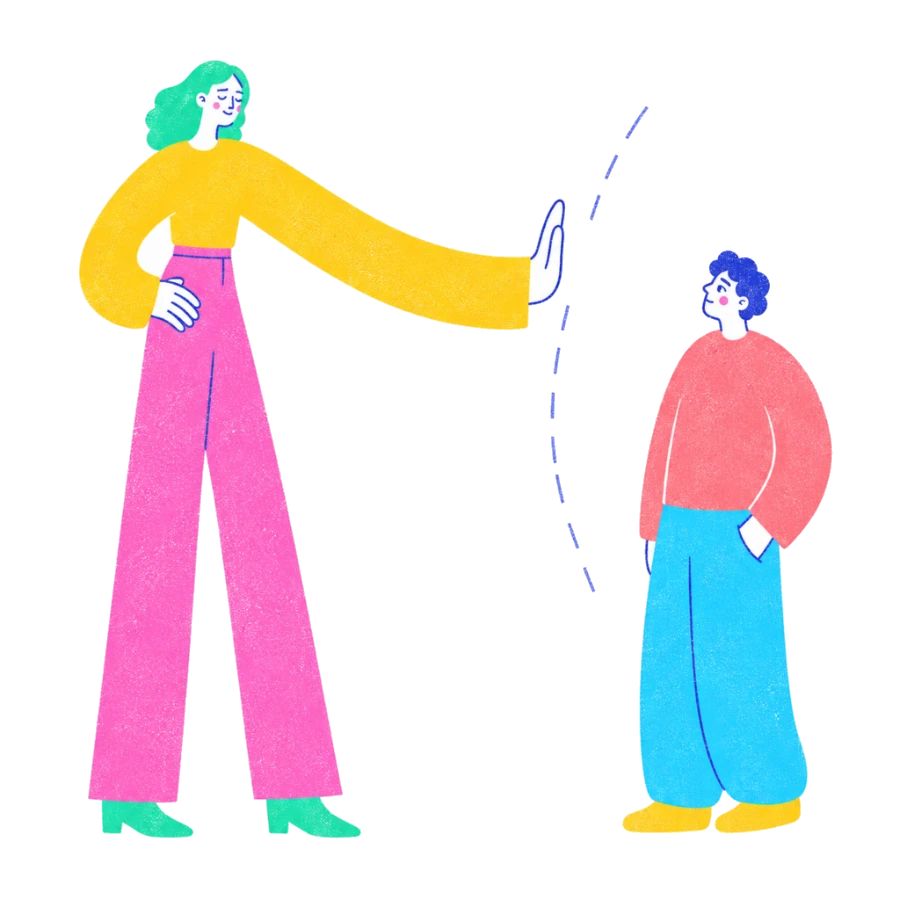
The unsaid no
Yes given long before you had chosen it

Never enough
Achievement that refuses to convert into ease
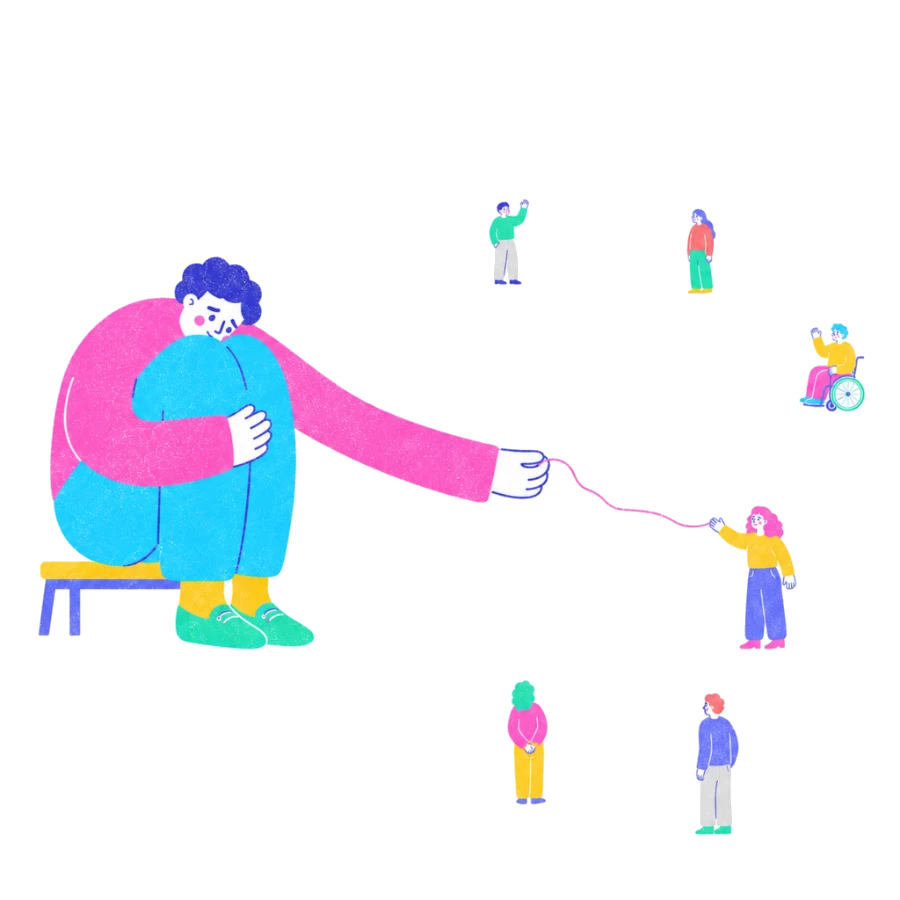
Lonely in a full house
Surrounded by people, known by none of them
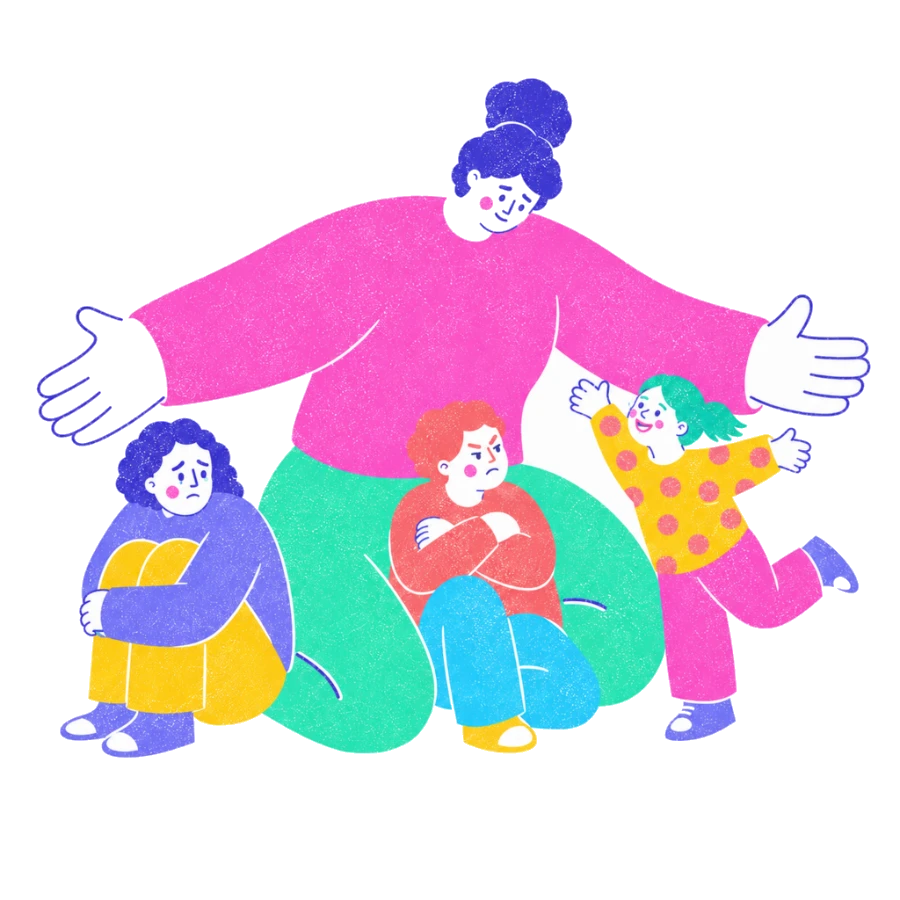
Coming back
Meeting the version of you that got shelved
How therapy helps
- Separate care from self-erasure. You can stay generous without paying for it in pieces of yourself.
- Locate the voice. "Log kya kahenge" is usually internal by now. We work on where it lives rather than on the neighbours.
- Rebuild preference. Small, low-stakes practice at wanting things, until wanting stops feeling rude.
- Say the true thing at home. Boundaries that survive an Indian family, not a template imported from elsewhere.
| Care | Self-erasure | |
|---|---|---|
| Comes from | Choice | Fear of what follows a no |
| Afterwards you feel | Warm, a little tired | Resentful, then guilty for the resentment |
| Your needs | Still exist alongside | Postponed indefinitely |
| Over years | Deepens the relationship | Quietly empties it |
The parts of a life that rarely get their own appointment.
None of these require a diagnosis. They require somebody who will not tell you that you are lucky and should be grateful.
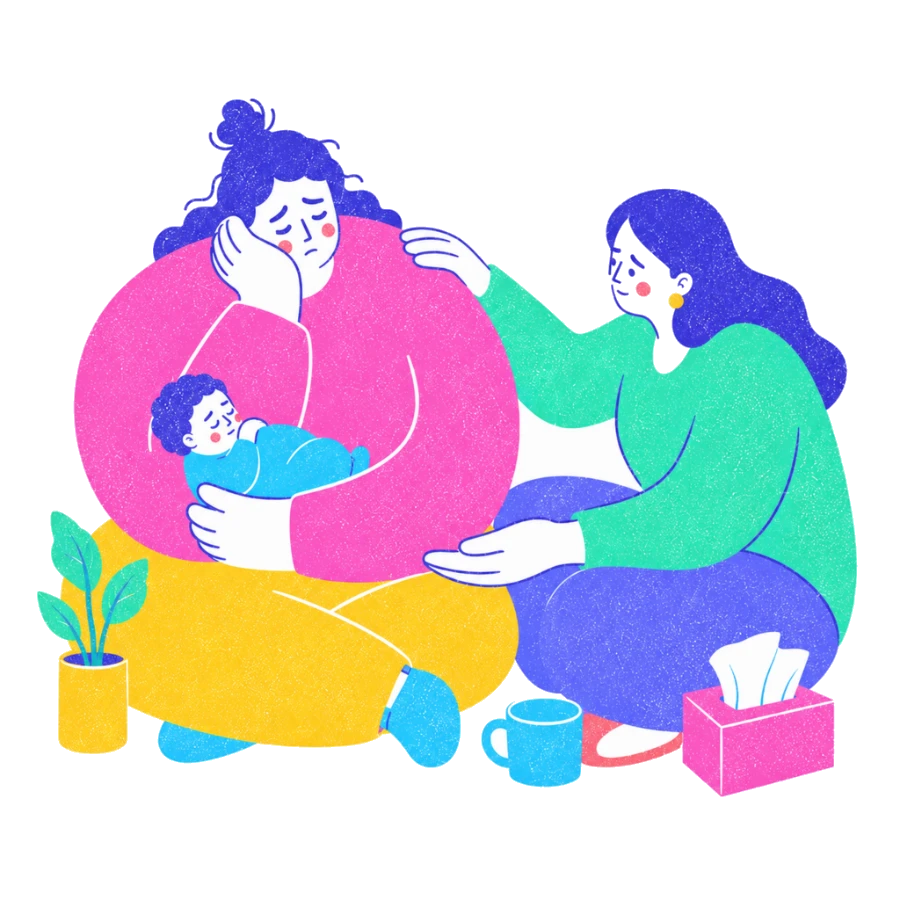
Motherhood and after
Perinatal anxiety, rage nobody warned you about, and the identity that went quiet when the baby arrived.
Read this →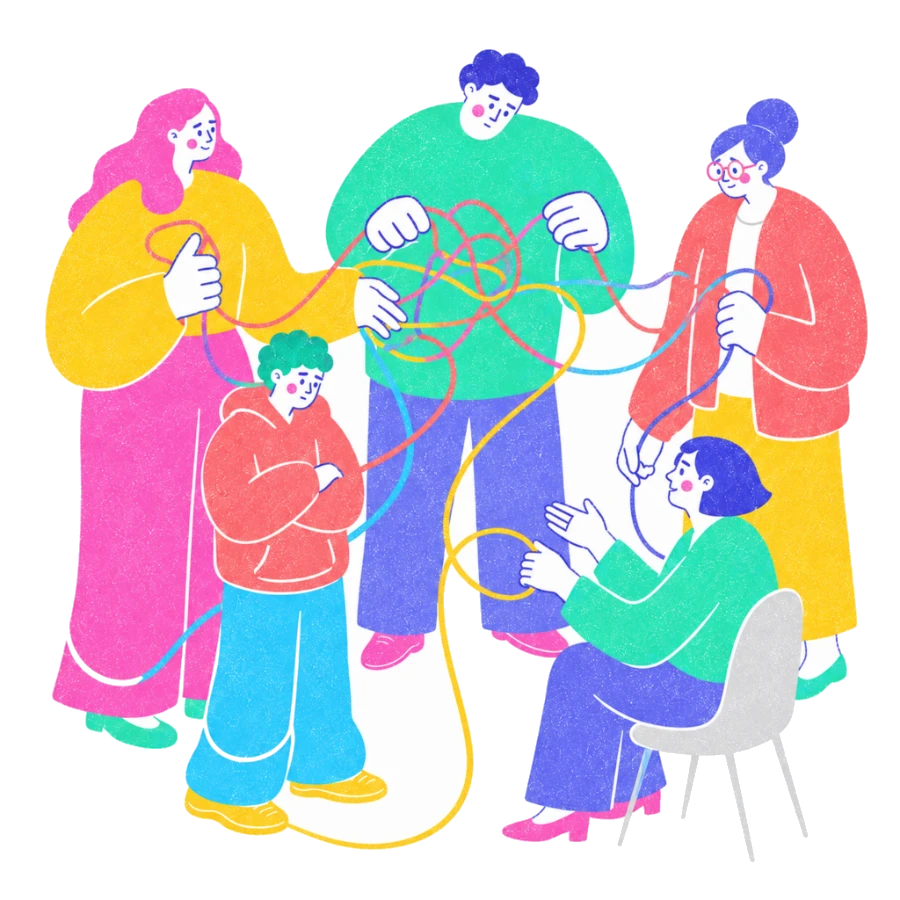
The family script
Being the peacekeeper, the good daughter-in-law, the one who manages every mood at every gathering.
Read this →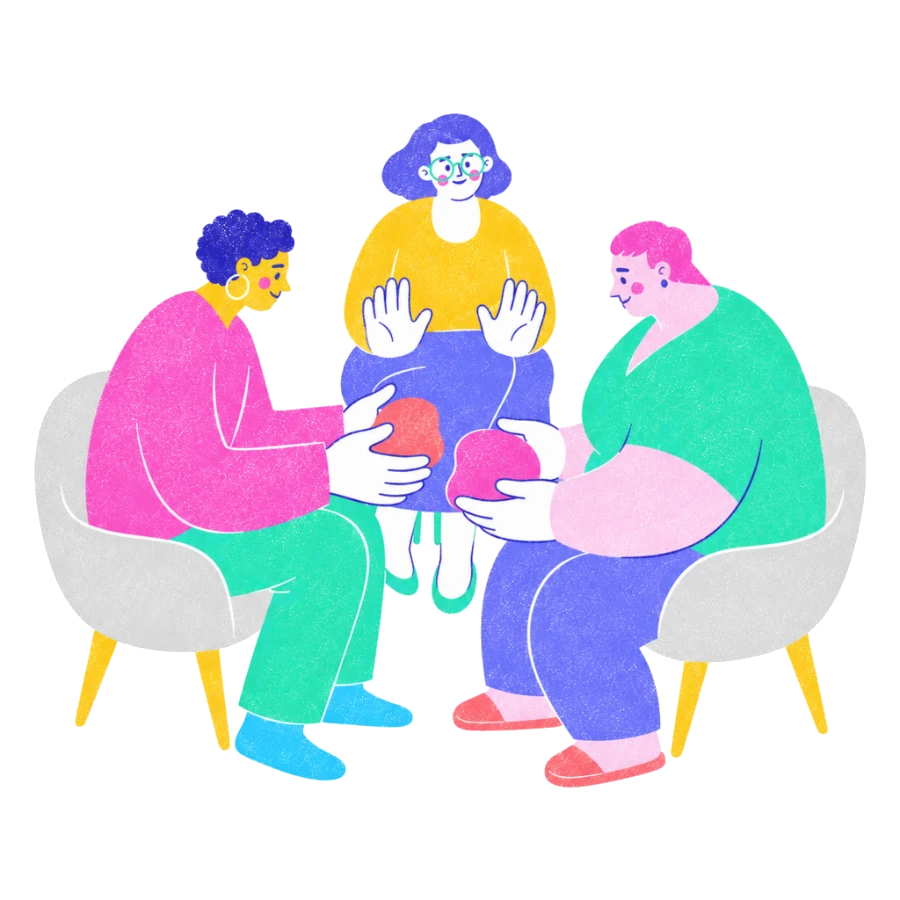
Being heard at home
When the partnership is fine on paper and you are still doing the emotional work alone.
Read this →Before you begin.
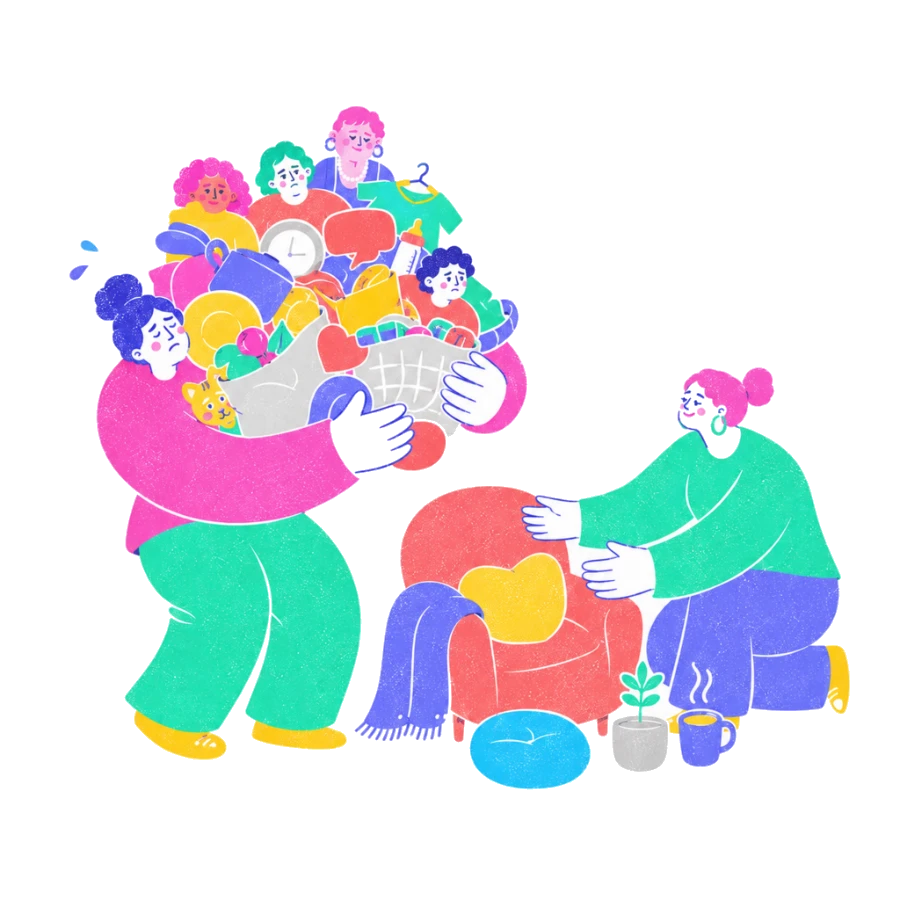
You are allowed to be a person, not only a provision.
No urgency, no shame, no fixing. A confidential conversation with someone who will not ask you to be smaller about it.