
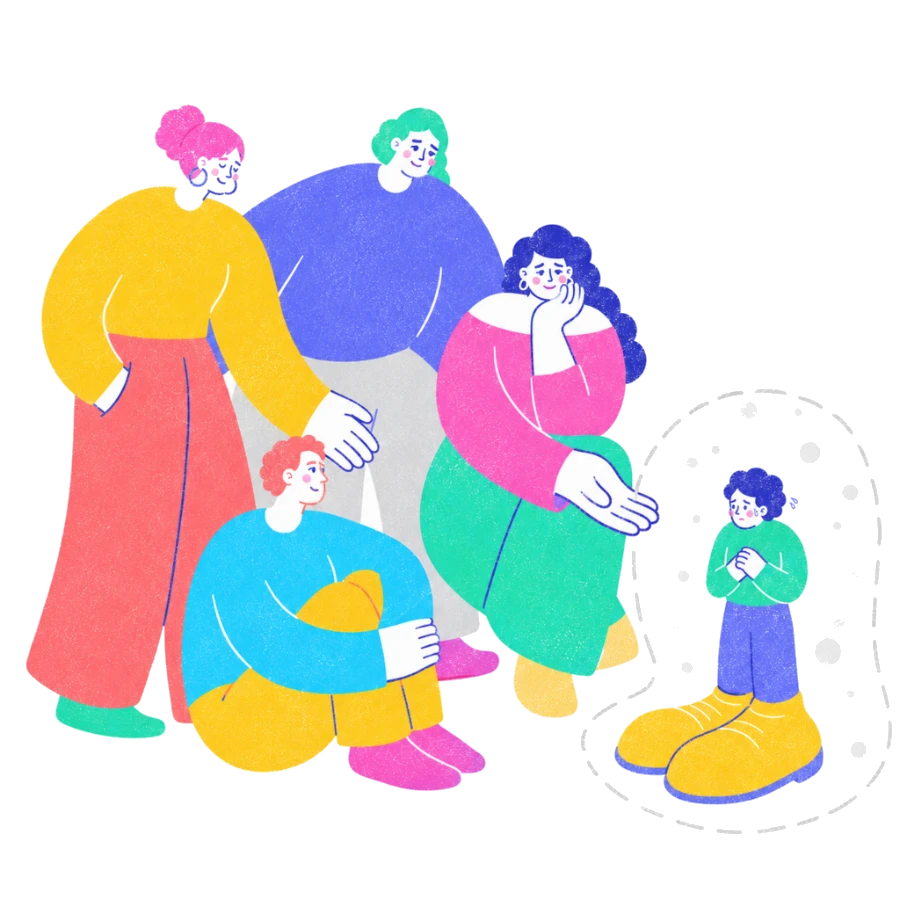
Social anxiety is not shyness. It is rehearsing every sentence before you say it.
You are not afraid of people. You are afraid of being assessed by them, and of the replay that starts the moment you leave the room.
Social anxiety is the fear of being negatively evaluated, not a dislike of people. It runs on three parts: dread before, self-monitoring during, and a punishing replay afterwards. In India it is frequently mistaken for good manners, because a child who stays quiet and does not trouble anyone gets praised for it. Therapy works on attention and avoidance rather than on confidence, and it works reliably.
The replay is the part nobody warns you about
The conversation ends. You get into the car, or close the laptop, and the review begins. What you said, how it landed, the pause that went a beat too long, the joke that did not work. It runs for hours and sometimes for days, and it is entirely one-sided, because the other person forgot the whole exchange within minutes.
That replay feels like diligence. It presents itself as learning from the interaction so you do better next time. It is not learning. It is rehearsal for a trial that never happens.
Being praised for it as a child
In many Indian families, quiet was the goal. A child who did not interrupt adults, did not ask for things, did not make a scene, was described as well brought up. If your anxiety happened to produce that behaviour, it was reinforced for twenty years before anyone considered it might be costing you something.
This is part of why social anxiety gets reported so late. There was never a moment where it looked like a problem. It looked like being a good kid.
Why confidence advice fails
You have been told to be yourself, to fake it, to remember nobody is really looking. None of it helps, because the problem is not a shortage of self-belief. It is that your attention is pointed inwards at yourself during the exact moments it needs to be pointed outwards at the conversation.
Move the attention and the symptoms change. That is a trainable skill, not a personality upgrade.
Sentences people say in a first session.
"I plan conversations in advance."
Opening lines, likely questions, exit routes. It works, and it costs more energy than the event itself.
"I replay it for days."
A three-minute exchange gets reviewed for a week. Nobody else remembers it happened.
"I cancel at the last minute."
The relief of not going is immediate and enormous, which is precisely what keeps the cycle running.
"People say I am arrogant."
Because avoiding eye contact and leaving early reads as aloof from outside. Being misread this way is its own injury.
What we actually do.
Attention, avoidance, and the standard you hold yourself to.
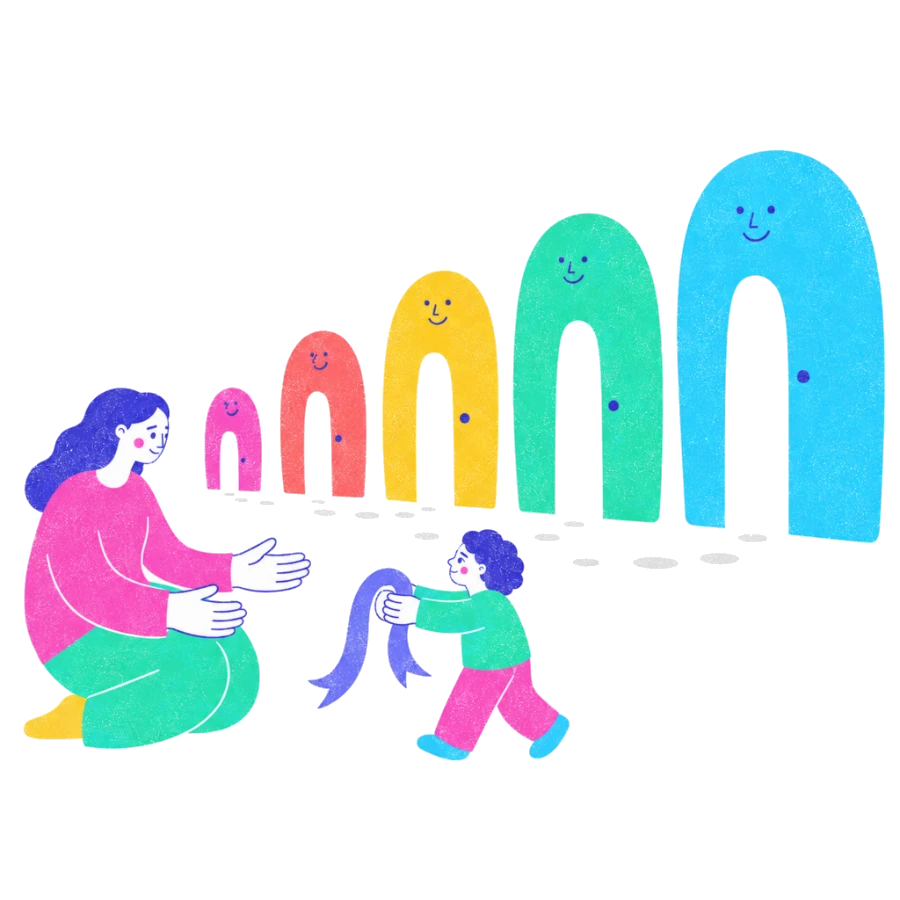
Doing the thing, in order
A ladder you build, from the low-stakes rung upward, so each step is uncomfortable rather than overwhelming.
Read this →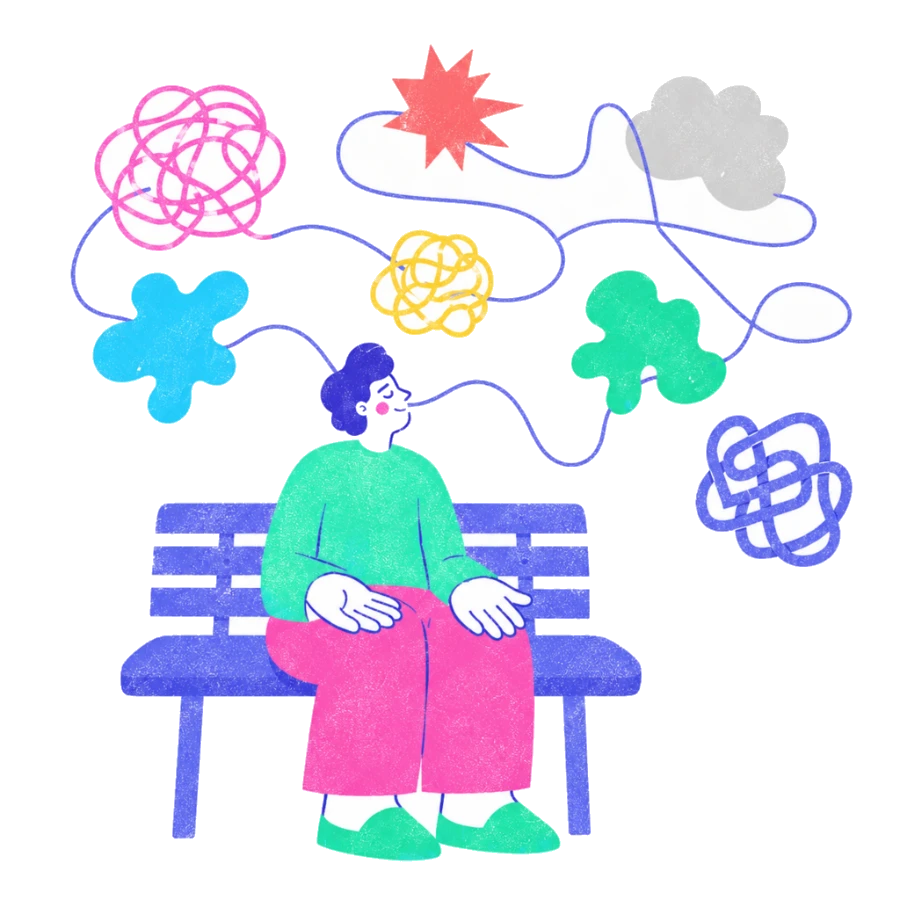
The replay loop
Learning to notice the review starting and step out of it, instead of arguing with every item on the list.
Read this →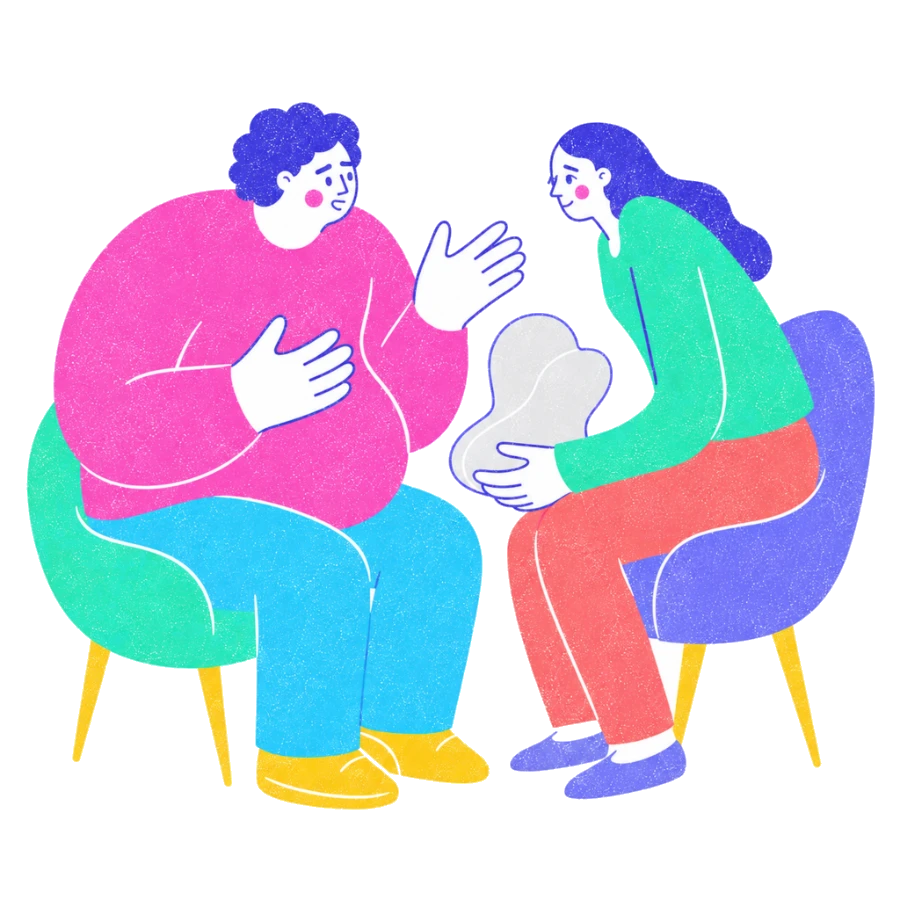
Attention outward
Practising putting focus on the other person, which is both the treatment and the thing that makes conversation easier.
Read this →| Shyness | Social anxiety | |
|---|---|---|
| Warms up | Yes, given time | Often not, even with familiar people |
| Cost | Mild discomfort | Dread beforehand, replay afterwards |
| Avoidance | Rare | Central, and increasing |
| Life impact | Small | Career, friendships, relationships |
| Self-focus | Passing | Constant self-monitoring while speaking |
How therapy helps
- Redirect attention outward. Self-monitoring is the engine. Training focus onto the conversation reduces symptoms faster than reassurance does.
- Build the ladder together. Exposure in an order you set, starting far lower than you expect, with each rung repeated until it is boring.
- Drop the safety behaviours. Scripting, over-preparing, sitting near the door, keeping a drink in hand. These maintain the belief that you only just survived.
- Retire the replay. Not by proving the review wrong, but by learning to leave it running in the background without following it.
Social anxiety, answered plainly.
You will not be asked to perform in the first session.
Write as little as you like. We will match you with a therapist who treats social anxiety and understands that the first message is the hardest part.