
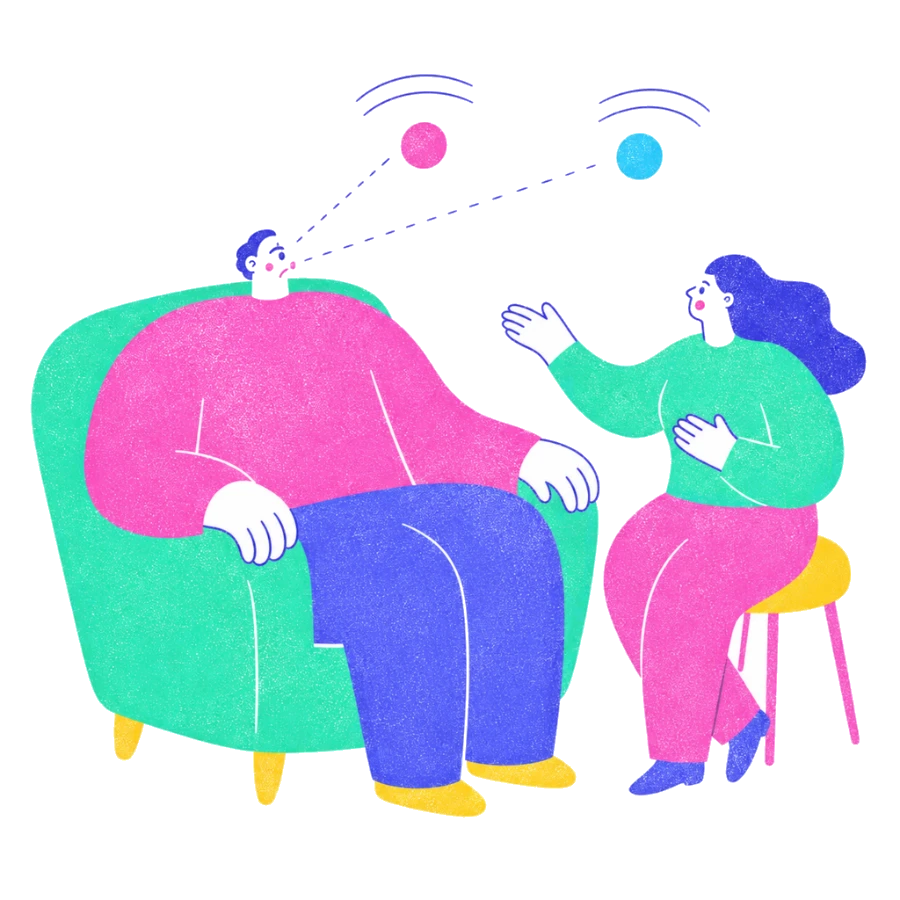
A memory that still fires in the present has not been filed properly yet.
EMDR works on how an experience is stored rather than on how well you can describe it. For a lot of people that is the difference between being able to do trauma work and not.
EMDR stands for Eye Movement Desensitisation and Reprocessing. It is a structured, evidence-based trauma treatment in which you hold a memory in mind while attending to a rhythmic left-right stimulus, usually eye movements or alternating taps. The aim is not to erase the memory but to change how it is stored, so it stops arriving with the intensity of something happening now. It requires less verbal detail than most talking therapies, which is why it suits people who cannot or do not want to narrate what happened.
Why it does not need the whole story
Most trauma treatment asks you to put the experience into words in some detail. For some people that is workable and useful. For others it is the exact barrier that has kept them out of therapy for years, whether because the memory is fragmentary, or because saying it out loud is unbearable, or because it involves people they still see every week.
EMDR works with the memory held internally. Your therapist needs enough to target it accurately, and considerably less than a full account. That distinction matters more than it sounds.
What a session is like
The early sessions are preparation rather than processing: history, and building enough capacity to settle yourself before anything difficult is approached. That stage is not a formality. Skipping it is how EMDR goes badly.
Processing sessions follow a set protocol. You hold an image, a belief about yourself, and the body sensation, then follow a rhythmic stimulus in short sets, and report briefly what shifted. It repeats until the memory loses its charge. Online, the stimulus is delivered on screen or through self-tapping, and works.
Reasons people arrive wanting EMDR specifically.
"I do not want to describe it."
The most common reason, and a legitimate one. EMDR needs a target, not a narration.
"I know it intellectually and it does not help."
Understanding an event and no longer reacting to it are different processes. This works on the second.
"It feels like it is happening now."
Flashbacks, sudden intensity, a body that reacts before you have decided anything.
"Talking has helped and something is stuck."
EMDR is frequently added to ongoing therapy for the specific memories that have not moved.
How the work is staged.
Preparation is not optional, and it comes first.

Consent and pacing
You set the pace and can stop a set at any point. This is stated at the start, not implied.
Read this →
Settling first
Building reliable ways to bring yourself down before any memory is approached.
Read this →Processing
Short sets, brief check-ins, repeated until the memory can be recalled without the charge.
Read this →| Talk therapy | EMDR | |
|---|---|---|
| Verbal detail | Substantial | Minimal |
| Structure | Flexible | Set eight-phase protocol |
| Works on | Meaning and patterns | How the memory is stored |
| Homework | Often | Rarely between sessions |
| Best for | Ongoing patterns and relationships | Specific memories that still fire |
What EMDR is good for
- Single incident trauma. Accidents, assault, medical events, a specific loss. This is where the evidence is strongest and change is often quickest.
- Complex and developmental trauma. Possible and slower, with a longer preparation phase and targets sequenced carefully.
- Memories that talking has not shifted. Where you understand what happened perfectly and your body has not accepted that it is over.
- Beliefs installed by an event. I am not safe, it was my fault, I am not enough. EMDR targets these directly rather than arguing with them.
EMDR, answered plainly.
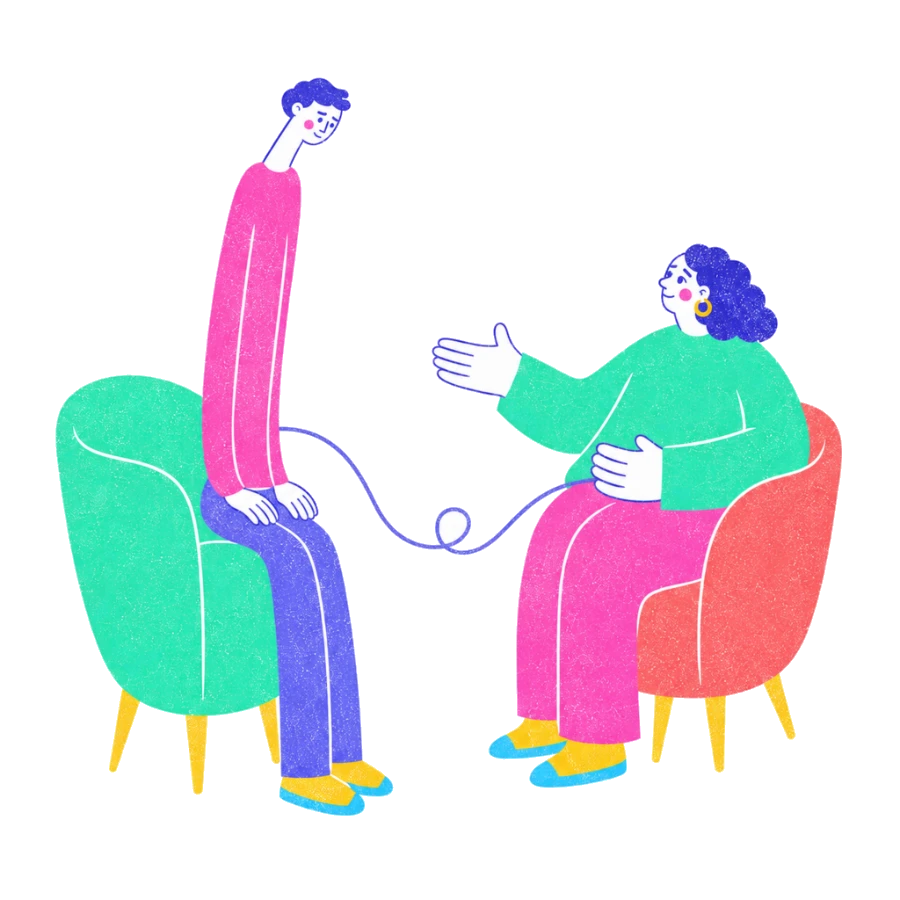
You do not have to tell the whole story to get free of it.
Tell us roughly what you are carrying. We will match you with a therapist trained in EMDR and start with the preparation, not the memory.