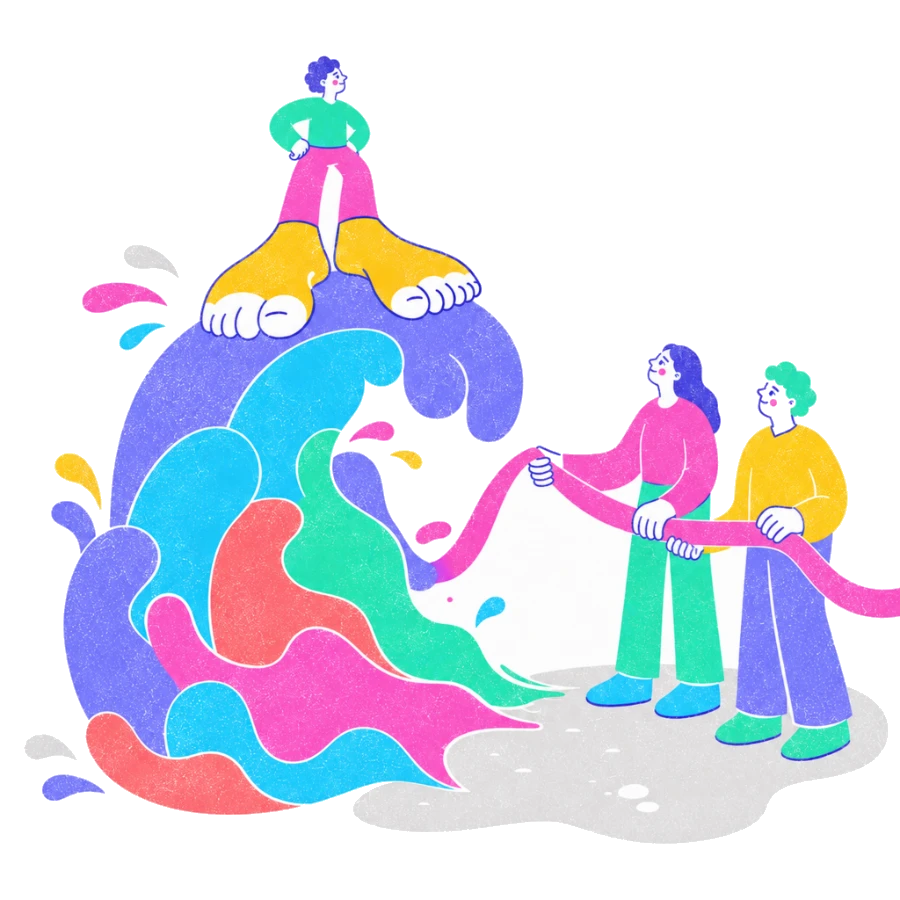
It works. That is the problem. It works better than anything else you have.
The drink after work, the joint before sleep, the scroll that eats four hours. None of it started as a problem. All of it started as relief.
Substance use and compulsive habits are almost always effective solutions to something before they become problems in themselves. Therapy that opens with shame does not work, because shame is frequently what the substance is managing. Fenweh works with harm reduction as a legitimate goal: you do not have to want to quit, or have already quit, to start. What we need is honesty about what it does for you.
It is not a willpower shortage
If something reliably lowers anxiety within ten minutes, your brain will learn that fast and hold onto it hard. That is ordinary learning working correctly. Calling it weakness misdescribes the mechanism and adds shame, which for a lot of people is one of the things the substance is being used to quiet.
This is why the useful first question is not how to stop. It is what the substance is doing for you, honestly, including the parts that are genuinely good.
Where it hides in Indian life
Drinking is social, expected at some tables, and hidden entirely at others. Weed is normal in one circle and a moral collapse in the next. In many families the only available frame is total abstinence or total denial, with nothing in between, which leaves people with no way to discuss a middle position that most use actually occupies.
That absence of a middle is why so many people stay silent until something has gone badly wrong.
Sentences people say in a first session.
"I can stop whenever I want."
Possibly true. The more useful question is what happens on the days you decide to and do not.
"It is the only thing that switches me off."
Which is exactly why it is hard to give up. It is doing a real job.
"Everyone I know drinks like this."
Your circle is not a clinical benchmark. What matters is the cost to you.
"I am not an alcoholic."
Most people who benefit from this work are not. Waiting for that label is how years pass.
What we actually do.
Function first, then the wave, then whatever it has been covering.
Riding the craving
Cravings peak and fall. Learning the shape of that curve is a practical skill, not a slogan.
Read this →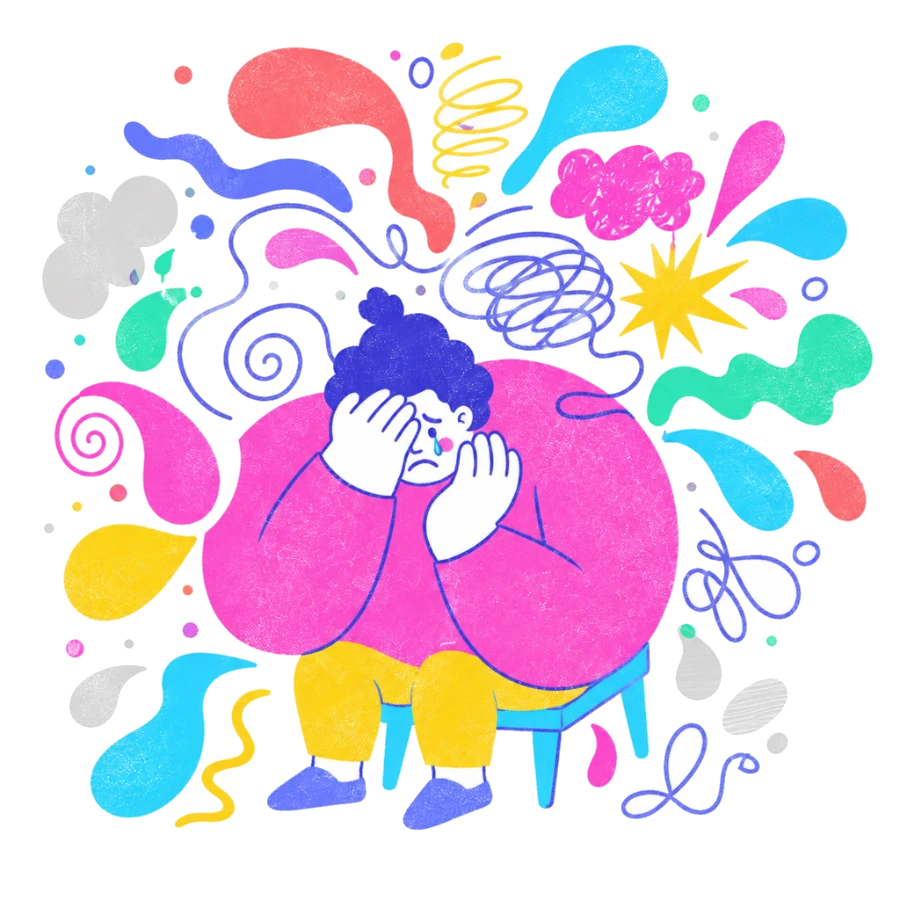
What it is managing
Anxiety, sleep, grief, boredom, rage. Naming the job it does, so something else can take it over.
Read this →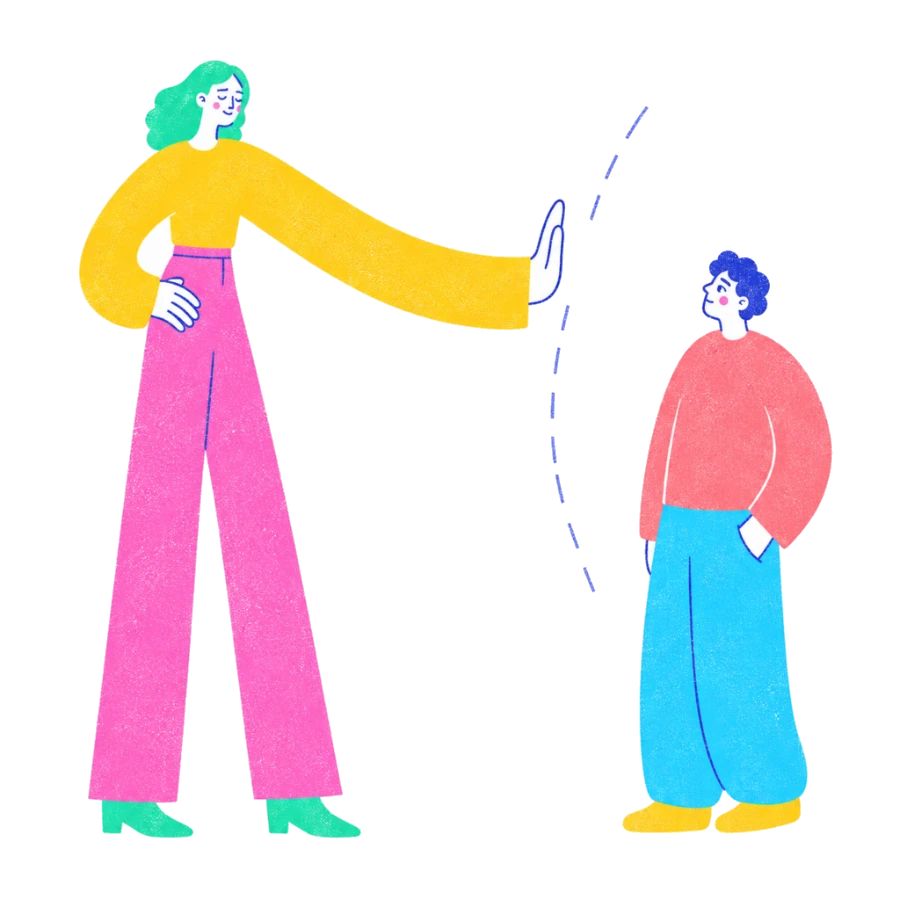
The social side
Refusing a drink at a family function without a scene, and without a lecture on your own choices.
Read this →| Use | A problem | |
|---|---|---|
| Chosen | Yes | Increasingly not |
| Amount | Roughly stable | Creeping up to get the same effect |
| If you stop | Nothing much | Restlessness, irritability, poor sleep |
| Hidden | No reason to | Amounts get understated, including to yourself |
| Cost | Minimal | Sleep, money, work, relationships |
How therapy helps
- No shame at the door. Shame is often part of the fuel. Sessions are non-judgemental as a matter of method, not politeness.
- Your goal, not ours. Cutting down, taking a break, or stopping. Harm reduction is a legitimate and evidence-based aim.
- Treat what sits underneath. Anxiety, trauma and insomnia are common drivers. Leaving them untouched is why willpower keeps failing.
- Plan for the lapse. A lapse is data, not a verdict. Deciding in advance what happens next is what stops one becoming a return.
Substance use, answered plainly.
You can start before you are ready to stop.
Tell us what it does for you, honestly. We will match you with a therapist who works this way and will not open with a lecture.