
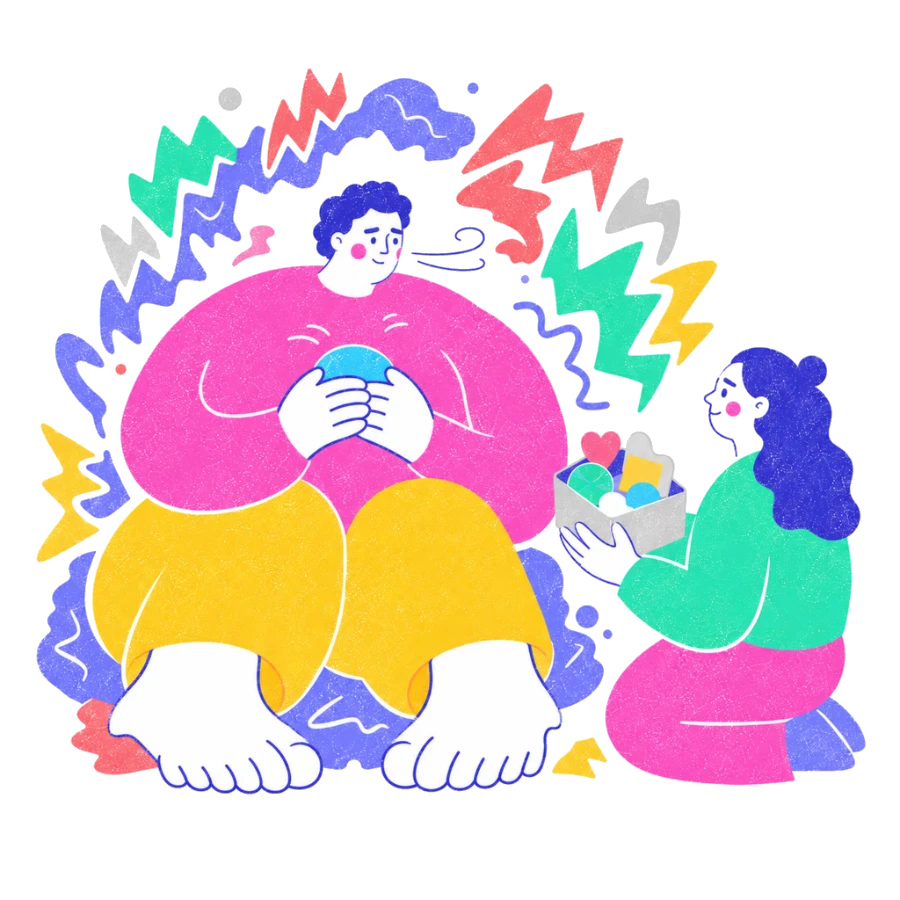
Some feelings do not need understanding in the moment. They need getting through the next twenty minutes.
DBT is the practical half of therapy. Skills for the hour when everything is too much, and scripts for the conversation you have been avoiding for a year.
Dialectical Behaviour Therapy teaches four sets of concrete skills: tolerating distress without making it worse, regulating emotion, being effective with other people, and mindfulness. It was developed for emotions that arrive at high intensity and take a long time to come down, and it is now used far more widely than its original population. It suits people who have had insight-based therapy and still need something to do at eleven at night.
Insight is not available at peak intensity
At the height of a wave, reflection is not accessible. Asking why you feel this way is a good question at the wrong moment, and trying to answer it usually extends the episode. What is needed first is a way through the next twenty minutes that does not add a new problem.
That is what distress tolerance is. Not a way to feel better, a way to get to the other side without a message you regret, a decision you cannot undo, or an injury.
The interpersonal half is underrated
A large part of DBT is about asking for things and refusing things, which sounds administrative until you consider how much distress in Indian families is produced by conversations that never happen. Saying no to a relative, declining a family expectation, telling a partner something true.
These get taught as structures you can rehearse. That practicality matters when a wrong sentence at a family gathering carries consequences for years.
Where DBT tends to fit best.
"I go from zero to a hundred."
Emotions that arrive fast, at full volume, and take hours to come down.
"I do things I regret afterwards."
The behaviour that lives at the peak. Skills are aimed exactly there.
"I understand myself and it does not help."
Insight without tools. DBT is the tools.
"I cannot say no to my family."
The interpersonal module is built for precisely this, and it is rehearsable.
The parts you will actually use.
Two modules do most of the early work.
Riding the wave
Getting through the peak without adding a second problem. Practised before you need it.
Read this →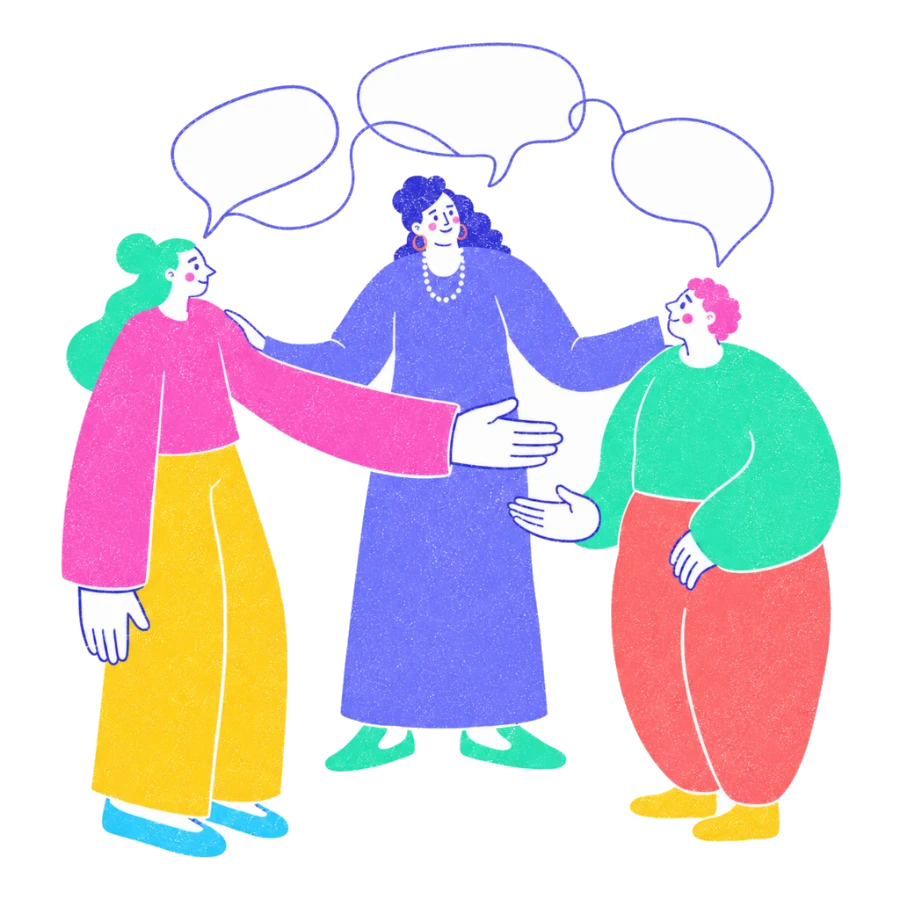
Saying the thing
Structures for asking and refusing, rehearsed for the specific conversation you are dreading.
Read this →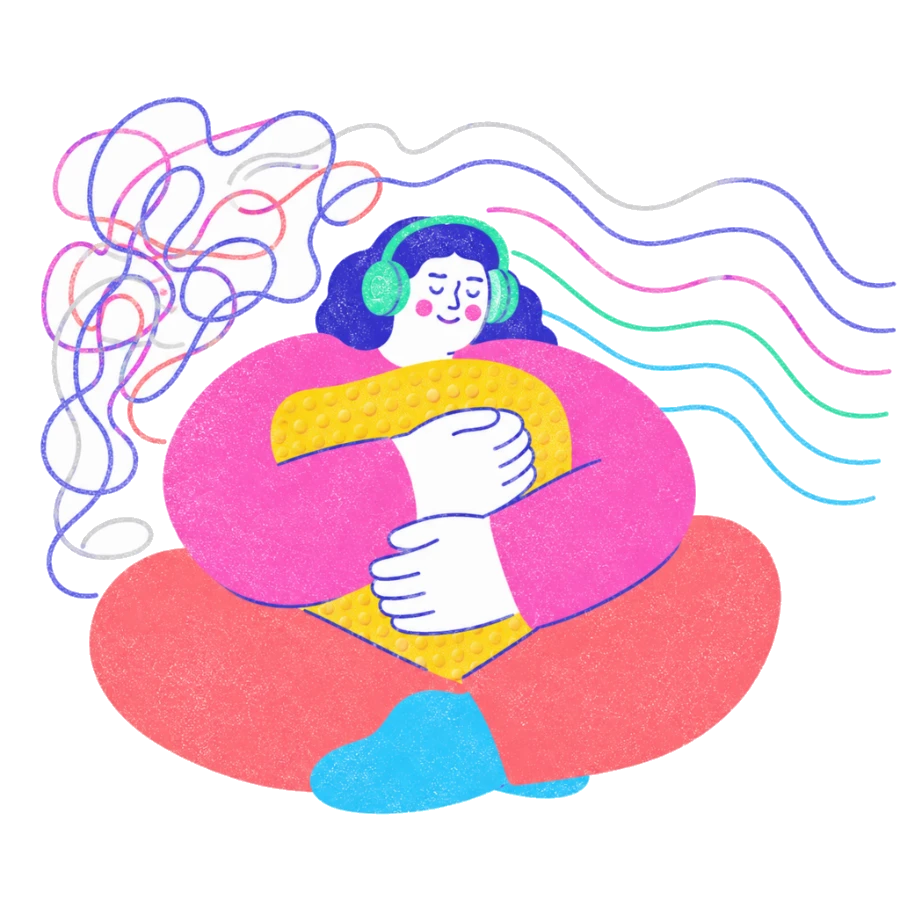
Noticing earlier
Catching the rise at three out of ten rather than at nine, where there are still options.
Read this →| Distress tolerance | Emotion regulation | |
|---|---|---|
| Used when | You are already at the peak | Between episodes |
| Aim | Survive it without harm | Lower how often it happens |
| Timescale | Minutes | Weeks |
| Example | Cold water, paced breathing | Sleep, food, movement, reducing vulnerability |
| Feels like | Emergency equipment | Maintenance |
What DBT is good for
- Emotions that arrive at full volume. Where the intensity itself, rather than the content, is the problem.
- Self-harm and crisis behaviour. This is the population it was built for, and the evidence there is strong.
- Relationships that swing. Closeness and rupture in cycles, and the fear of abandonment underneath.
- Anyone who needs something to do. DBT skills are useful well beyond a diagnosis, which is why they are taught so widely now.
DBT, answered plainly.
You can leave the first session with something to use.
Tell us what the hardest hour of your week looks like. We will match you with a therapist who teaches these skills.