
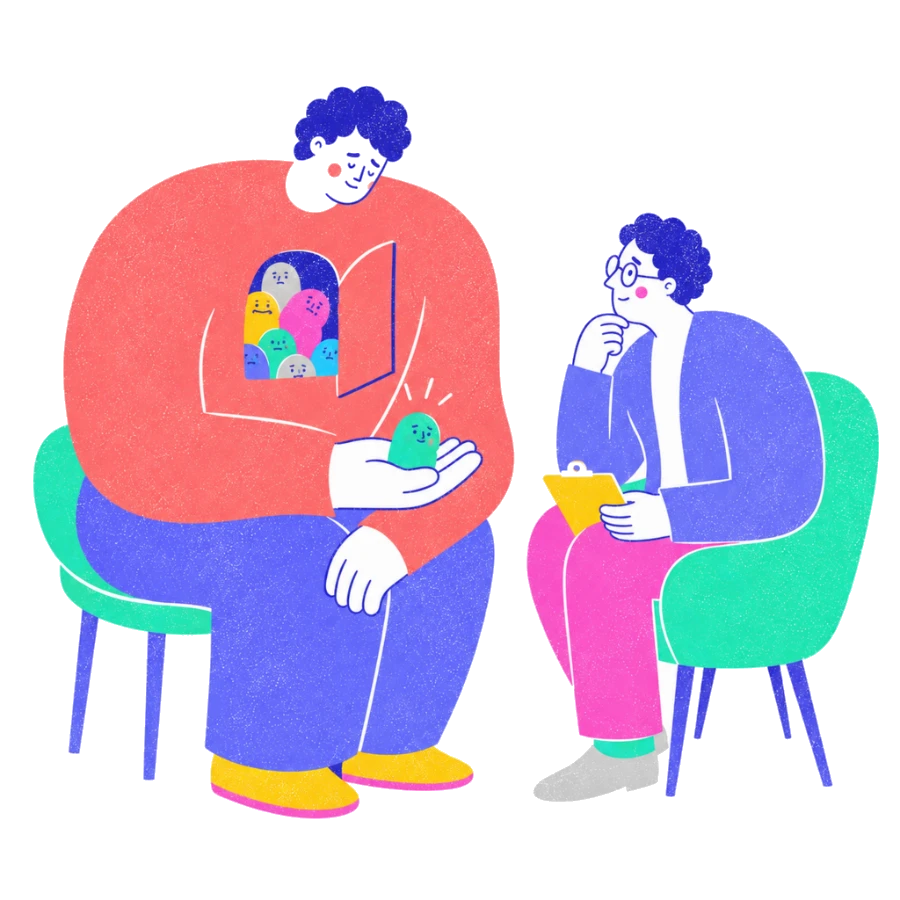
You were given one emotion and told the rest were weakness.
For the feelings you learned to keep small. Anger that is usually something else underneath, pressure that never lets up, and a quiet you did not choose. There is no wrong way to begin.
Men in India are rarely taught a vocabulary for anything other than anger, so distress arrives disguised: irritability, overwork, drinking, withdrawal, a short fuse at home. Fenweh works with anger, the pressure to provide, male loneliness and depression that does not look like sadness — in plain language, at your pace, with no requirement to perform vulnerability you do not feel yet.
Nothing has happened. That is usually how it gets described. No crisis, no obvious cause, just a flatness that has been there long enough to feel like weather rather than something worth mentioning.
Most men arrive here having tried the available options first: working harder, going to the gym, drinking a bit more, saying less. Those are not stupid strategies. They are the ones that were modelled. They just do not touch the thing underneath.
Anger is often the only emotion a boy is allowed to keep.
Context worth holding: men account for roughly seventy percent of recorded suicides in India (NCRB), while making up a small minority of people who seek therapy. The gap is not about need. It is about permission.
What it actually sounds like from the inside.
"I snap at home over nothing."
Anger is usually the surface. Underneath is often exhaustion, fear or grief that has no other exit.
"I am fine. I just do not feel much."
Numbness is not the absence of feeling. It is what a nervous system does when feeling has been unsafe for a long time.
"Everyone depends on me. I cannot fall apart."
A real weight, not self-pity. Provision without support is a load-bearing wall with nothing behind it.
"I have friends, but nobody I would call."
Male friendship in India is often shoulder-to-shoulder rather than face-to-face. Company without confiding is its own kind of alone.
Five things men bring in before they use the word depression.

The short fuse
Reacting bigger than the moment deserved

Always working
Staying busy so nothing has to be felt
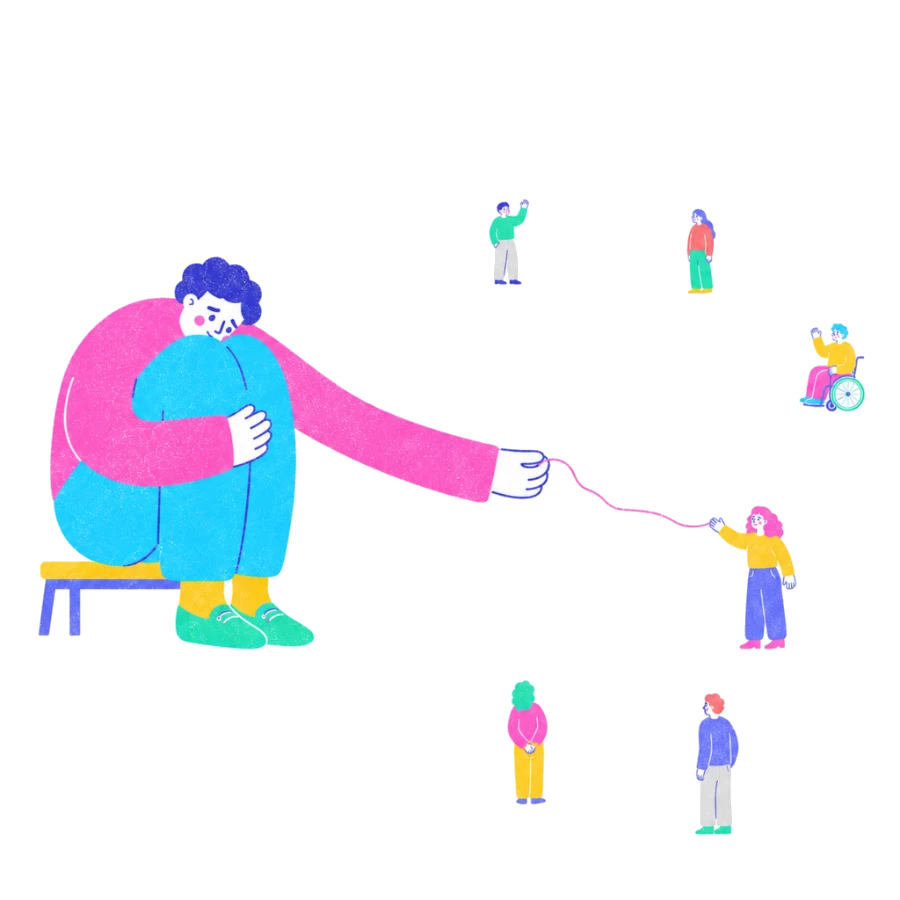
Nobody to call
Plenty of people, no one you would trouble
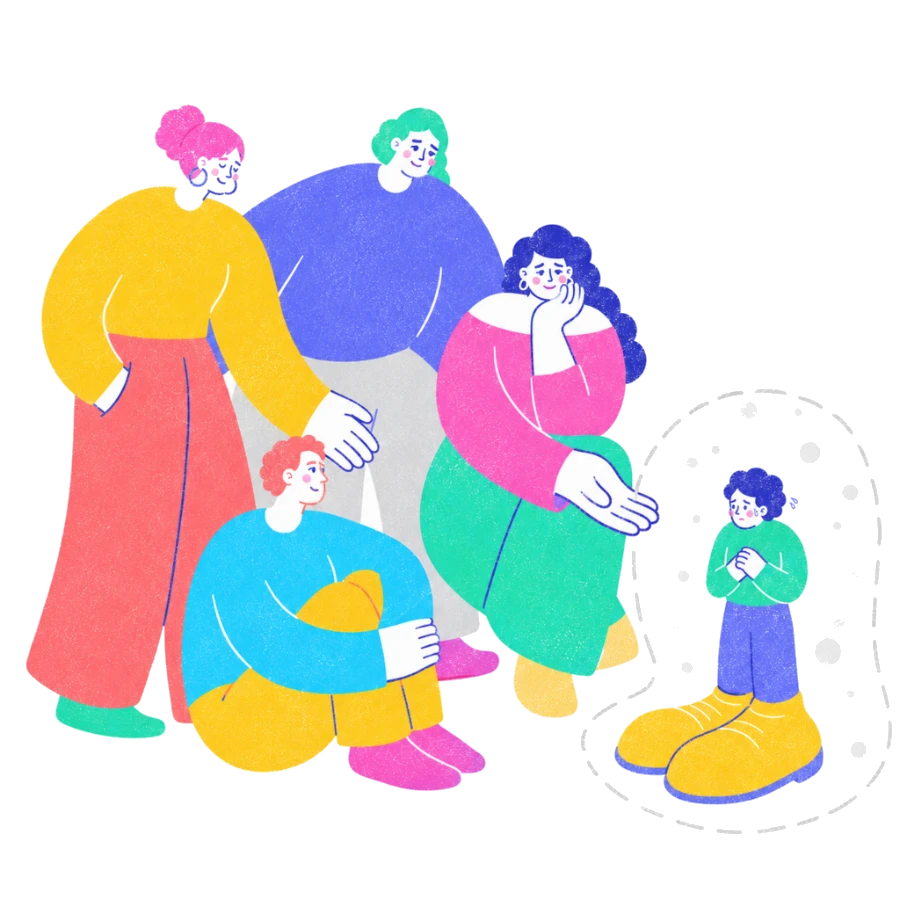
Going quiet
Withdrawing before anyone can ask
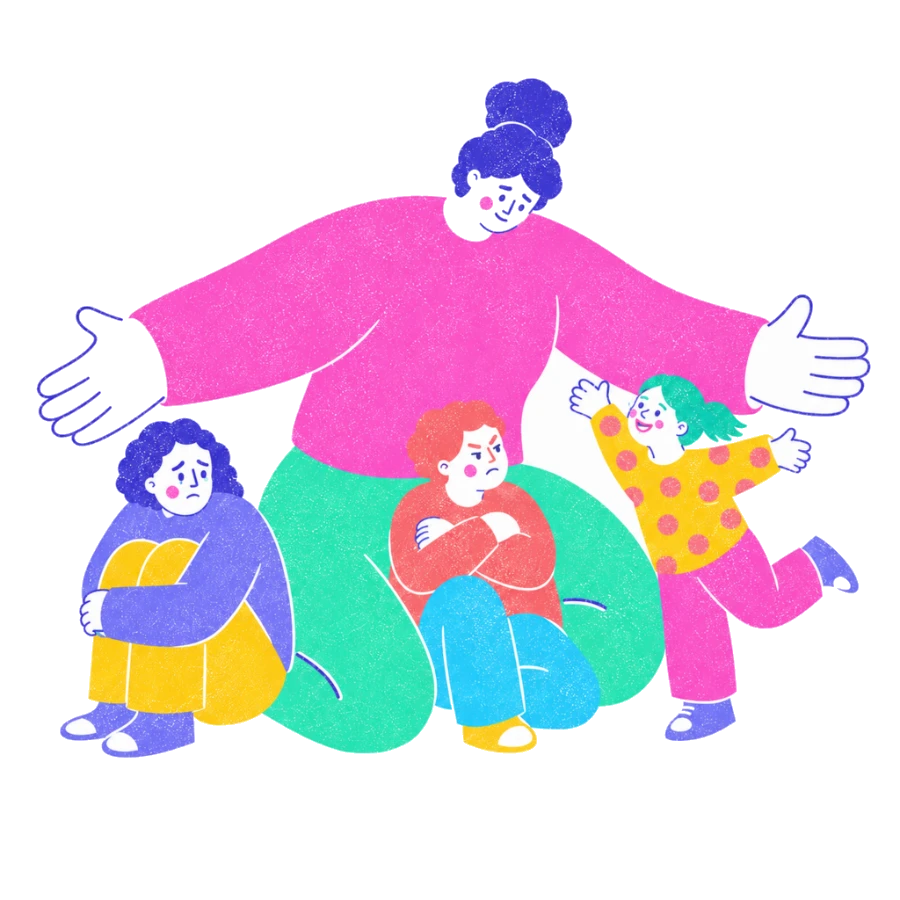
Meeting yourself
The version of you that was told to toughen up
How therapy helps
- Build the vocabulary. Most men can name three feelings. Precision changes what you can do about any of them.
- Work out what the anger is carrying. Not to remove it. Anger is useful. To stop it being the only messenger.
- Separate providing from proving. Responsibility you chose, rather than a debt with no final payment.
- Practise being known. Starting with one room, at whatever pace does not feel absurd.
| Textbook description | What men more often report | |
|---|---|---|
| Mood | Sadness, tearfulness | Irritability, a short fuse |
| Behaviour | Withdrawal, low activity | Overworking, drinking, constant motion |
| Talking about it | Describes feelings | Describes physical symptoms or nothing at all |
| Help-seeking | Sooner | Years later, often at someone else's insistence |
The things men rarely get a room for.
You do not need a diagnosis, a story, or a reason that would sound serious enough to somebody else.

Work as identity
When the job is the whole self-concept, a layoff or a plateau stops being professional and becomes existential.
Read this →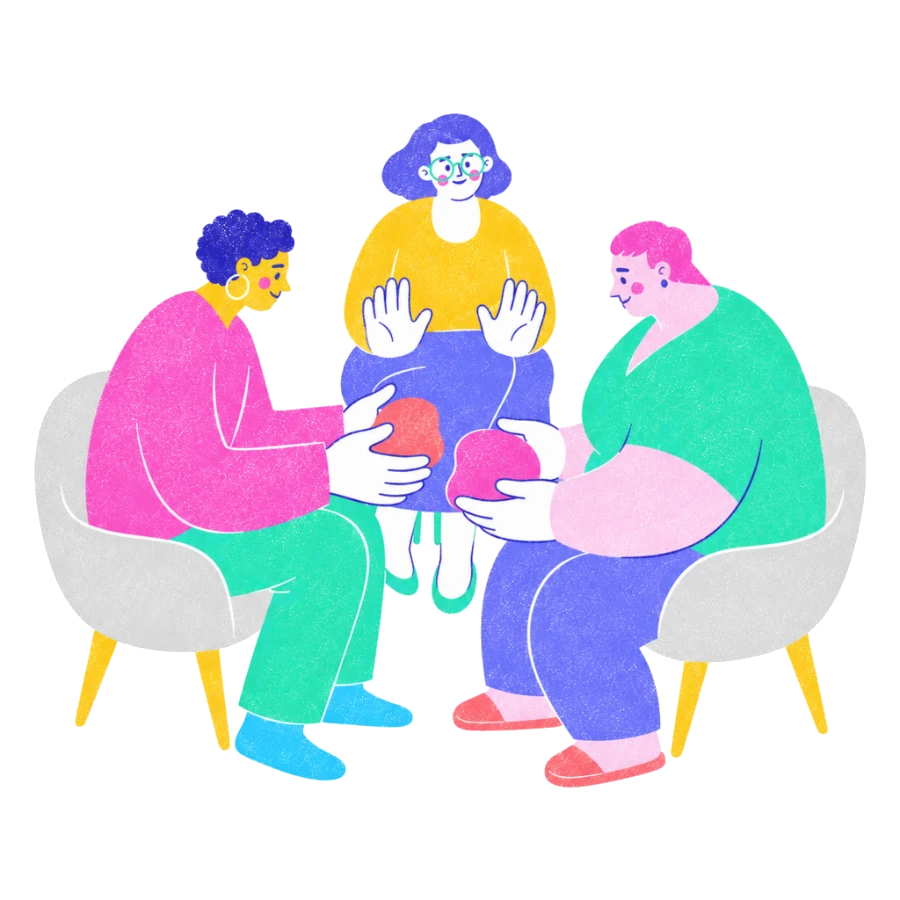
Saying it at home
Being present rather than merely providing, and having the conversation before it becomes an argument.
Read this →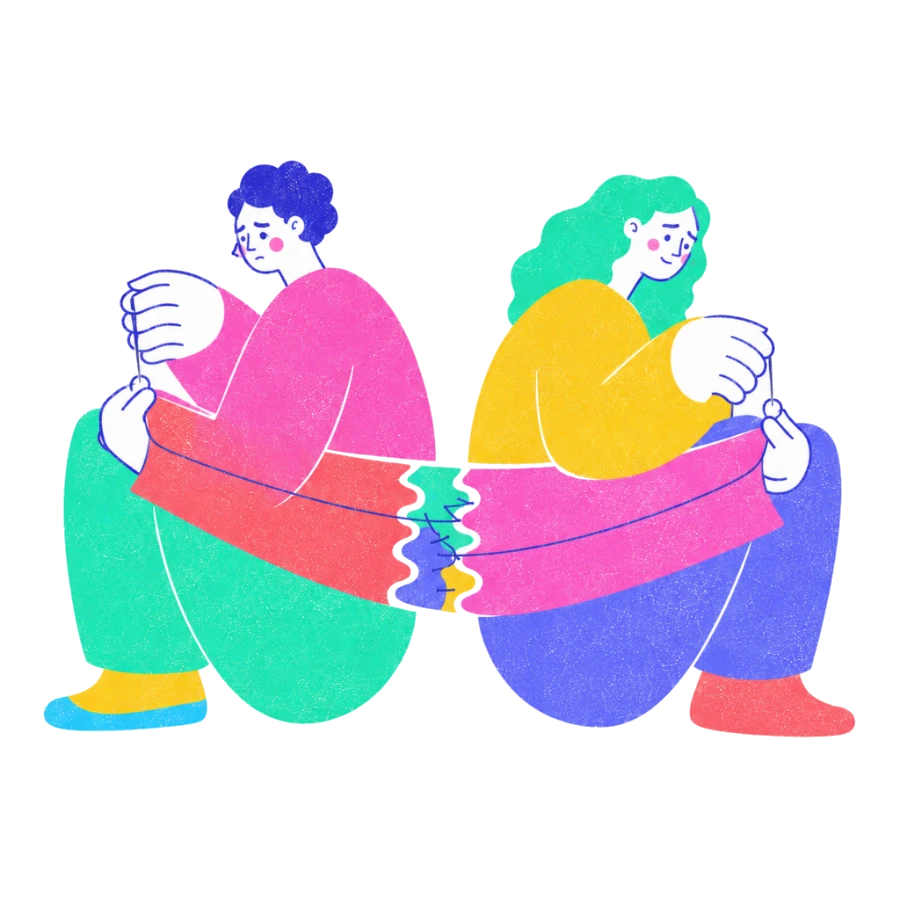
Friendship, repaired
Rebuilding the kind of closeness most men had at nineteen and quietly lost somewhere after.
Read this →Before you begin.
You do not have to have a reason. Feeling off is reason enough.
One conversation, confidential, no label required and nothing you have to perform. You set the pace and you can stop whenever you want.