
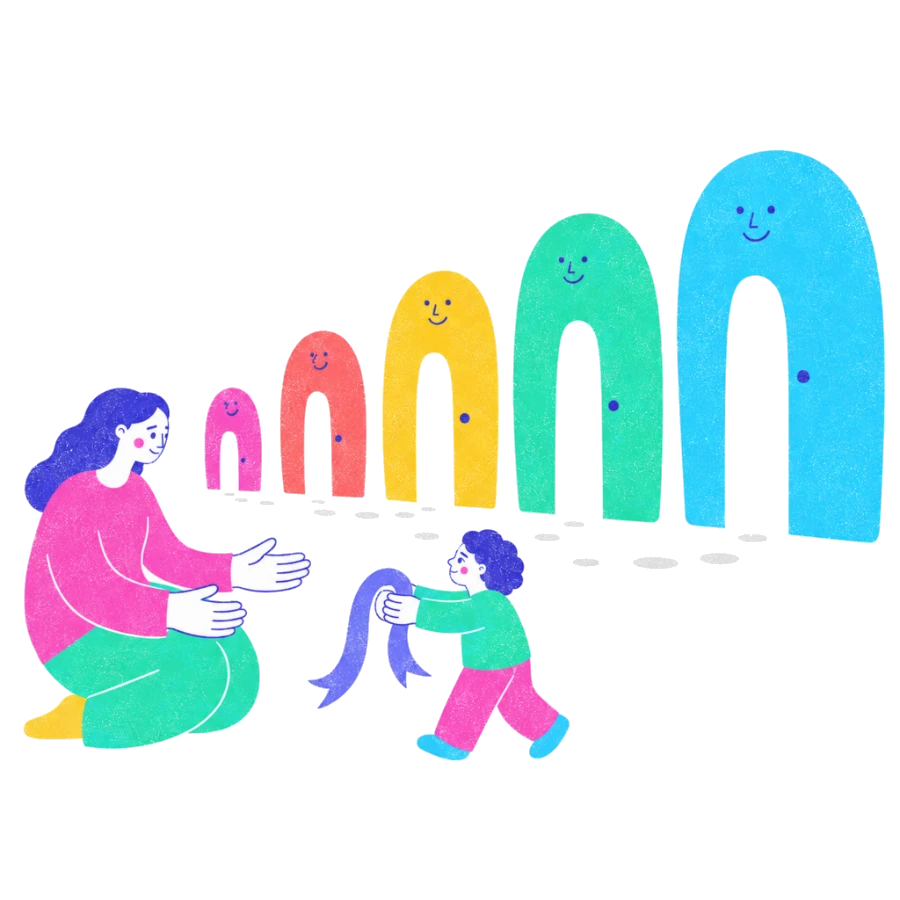
Every reasonable no was easy to justify. Together they took most of your map.
Avoidance works, immediately and completely, which is exactly why it grows. Graded exposure is how the map comes back, in an order you choose.
Graded exposure means approaching what you have been avoiding in small, planned, repeated steps, staying long enough for your nervous system to learn that the feared outcome does not follow. It is not about forcing yourself through something once. The ladder is built by you, starts far lower than most people expect, and each rung is repeated until it becomes boring. It has one of the strongest evidence bases in mental health.
Why avoidance is so hard to spot
Each individual decision is defensible. You are tired, the traffic is bad, the function will run late, you can join the next one. None of those is a lie. The problem is only visible in aggregate, and by then the list of places you do not go has been built one reasonable evening at a time.
Relief is the mechanism. Every time you avoid, you feel immediately better, and your body takes that as confirmation that the danger was real and you narrowly escaped it.
It is not about being thrown in
The version people fear, and occasionally get from well-meaning family, is being made to face the thing at full intensity. That is not this. Flooding tends to confirm the fear rather than reduce it.
Graded means the first rung is something you can already almost do. You stay with it until it stops producing much of anything, then move up. The pace is negotiated, and you keep the ability to stop.
Where graded exposure tends to fit best.
"My world has got smaller."
Places, journeys and events that used to be unremarkable and are now off the list.
"I can do it if someone comes."
Safety behaviours. Useful in the short term, and they keep the fear intact.
"I have not driven in two years."
The longer the gap, the larger the first step appears. Building the ladder low fixes that.
"I know it is not dangerous."
Which changes nothing, because the learning that has to happen is in the body, not the argument.
How the work is staged.
Your ladder, your order, repeated until each rung is dull.
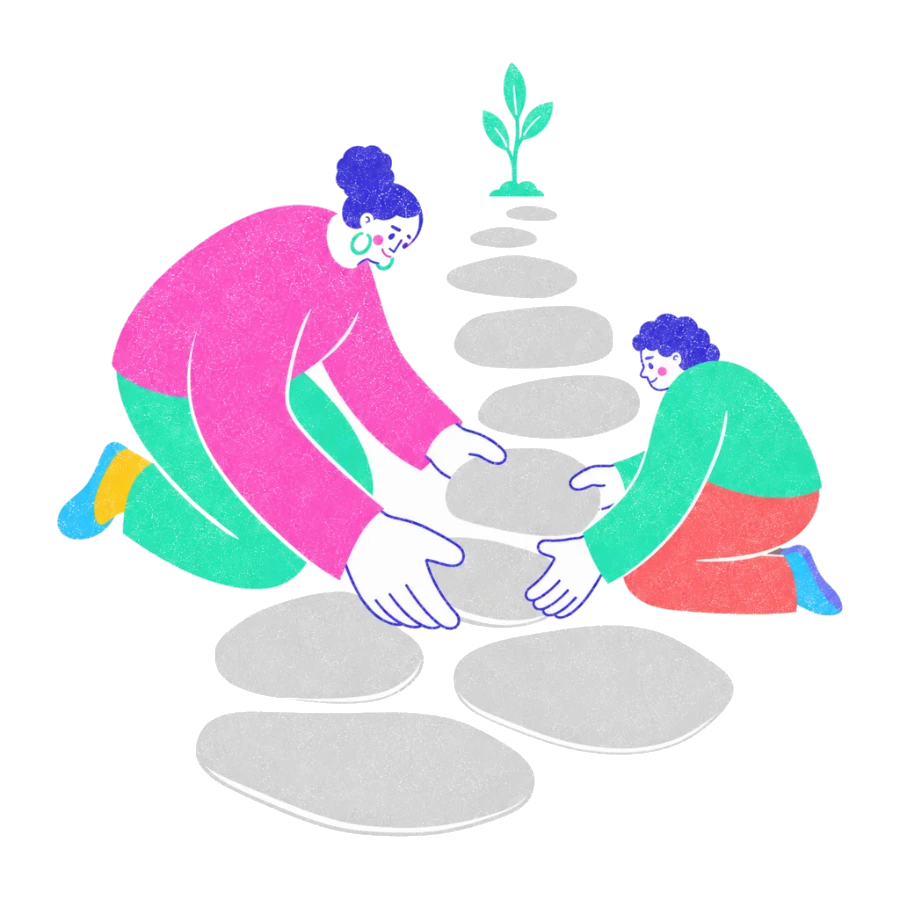
Building the ladder
Ten to fifteen steps between almost easy and the eventual goal, written down and ranked by you.
Read this →Doing the rungs
Repeated rather than heroic. A step is finished when it has stopped being interesting.
Read this →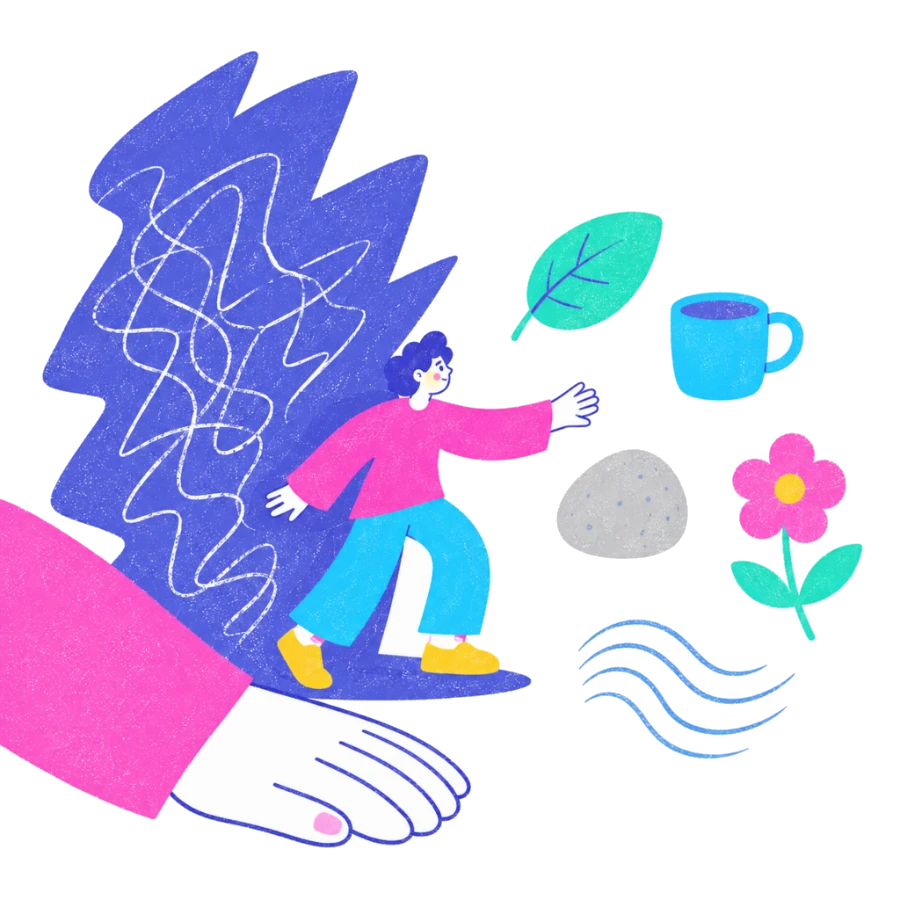
Staying present in it
Skills so you can remain in the situation rather than leaving at the peak, which is what undoes the learning.
Read this →| Graded | Flooding | |
|---|---|---|
| First step | Almost easy | Full intensity |
| Chosen by | You | Someone else, usually |
| Repetition | Central | Rare |
| If it goes badly | Step back one rung | Fear is confirmed |
| Evidence | Strong | Poor for most people |
What graded exposure is good for
- Specific phobias. Flights, lifts, needles, dogs, driving. Often resolved in a small number of sessions.
- Panic with avoidance. Where the attacks have taken the metro, the highway or the crowded hall away from you.
- Social anxiety. Rungs are ordinary things: a phone call, a question in a meeting, staying past your usual exit.
- Health anxiety. Reducing checking and reassurance-seeking, which function exactly like avoidance.
Graded exposure, answered plainly.
You choose the first rung.
Tell us what you have stopped doing. We will match you with a therapist who works this way, and the first step will be smaller than you think.